











Mumbai: In the modern sports economy, franchises are no longer just teams competing for trophies. They are media brands, fan communities and global intellectual properties. Few organisations illustrate this evolution better than the Knight Riders ecosystem, which today spans multiple leagues across India, the Caribbean, the UAE and the United States.
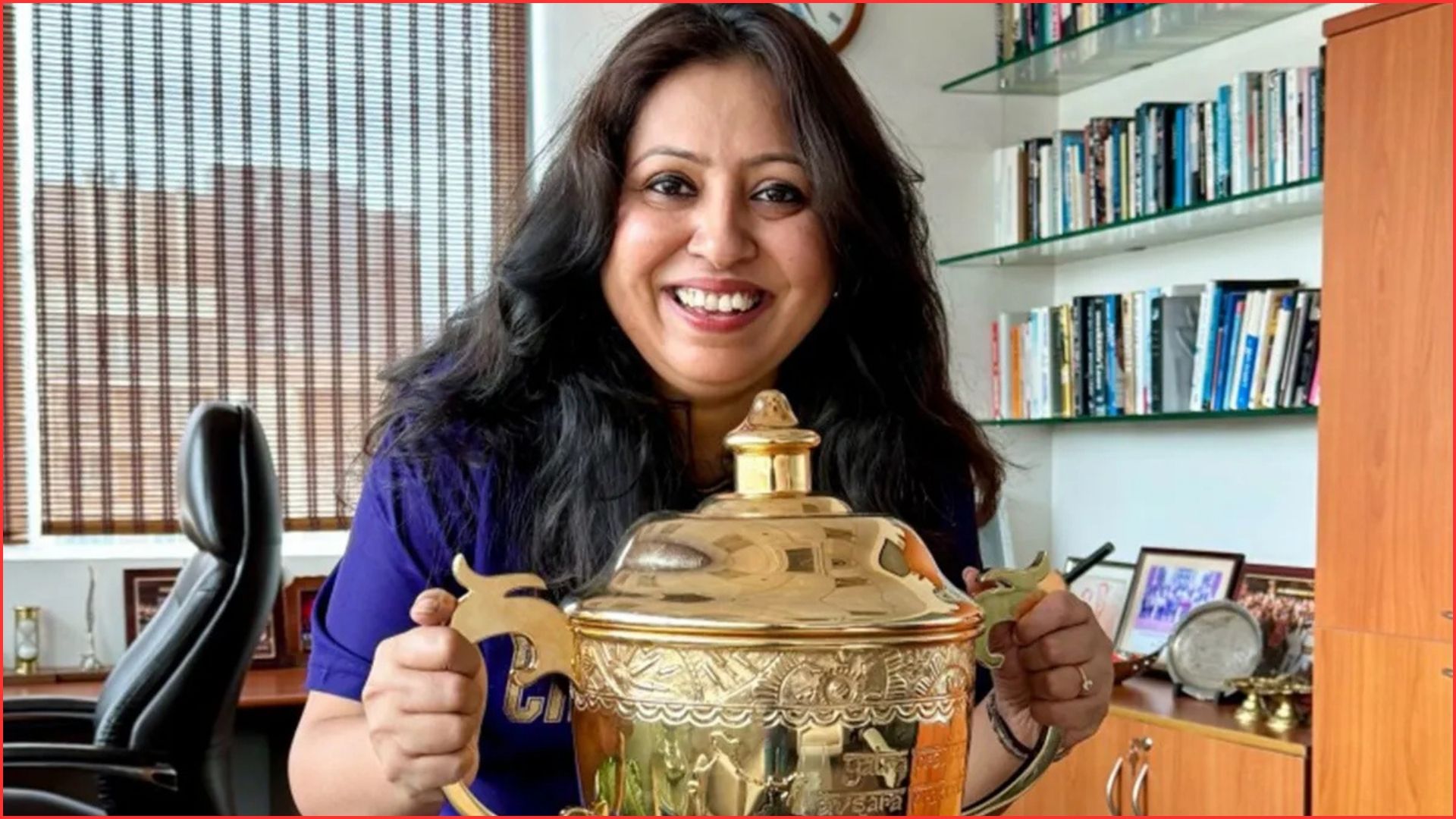
At the centre of this transformation is Binda Dey, Chief Marketing Officer of Knight Riders, who oversees the brand strategy behind one of the most recognisable sports franchises in the world. In this exclusive conversation with AdMirror, Dey discusses how KKR has built one of the most passionate fan bases in cricket, why storytelling has become critical to sustaining engagement beyond the IPL season, and how brand partnerships are shifting from logo visibility to co-created fan experiences.
Edited Excerpts
KKR today is far more than a cricket team. It is a media brand, a fan community, and a global sports IP. As CMO, which of these do you think about first every morning?
For me the core focus is always the same: strengthening the emotional bond between fans and Kolkata
Knight Riders and ensuring that bond continues to grow over time.
Over the years, the fandom has expanded significantly. It is no longer Kolkata or India-centric but spans the globe with KKR franchises in the US, Caribbean and UAE.
With nearly two decades of legacy, KKR has evolved into one of India's most powerful sports brands, built on consistent fan connection, geographic expansion, and cultural relevance.
How do you keep KKR culturally relevant during the months when the IPL is not on?
The IPL season may last just two months, but the brand lives year-round. We have built an always-on approach through a mix of IPs, cultural engagement and grassroots initiatives. Our focus areas like fitness and food naturally extend the brand into lifestyle, enabling year-round engagement across content, merchandise and experiences.
We also stay closely connected to key cultural moments. Durga Puja, for instance, is central to Kolkata's identity, and our participation as a brand helps deepen that local connect. Similarly, we engage with fans across other moments like New Year.
Grassroots development is equally important. Platforms like the Junior Knights Championship and fan-led formats such as our box cricket tournament help us build early connections and strengthen community engagement.
At its core, sports is not transactional. We are not selling a product, we represent a team, a city and a shared emotion. That makes fandom deeply personal. So for us, relevance is not about constant visibility, but about consistent emotional engagement.
Sports is not transactional. We represent a team, a city and a shared emotion. Relevance is not about constant visibility, but about consistent emotional engagement.
How important is storytelling in sustaining fan energy between seasons?
Storytelling is extremely important, and it is something KKR has invested in very early on. Being part of the Red Chillies Entertainment ecosystem and with Shah Rukh Khan as a co-owner, storytelling has always been integral to how we approach the brand.
KKR was among the first franchises to experiment with long-form storytelling around a cricket team. One of the early initiatives was "Living with KKR," a two-part series created in partnership with Star Sports in 2016, even before the IPL broadcast ecosystem evolved the way it has today.
During the pandemic, we created the KKR Film Series, which focused on the human stories behind the players. The idea was to move beyond the cricket field and show fans what players go through in their personal journeys. We explored stories around players like Andre Russell, who has been with KKR for many years, and Rinku Singh, whose story resonates deeply with fans. These films captured the challenges, resilience and personal moments that audiences do not normally see during the IPL season.
This extends the relationship with fans beyond two months of IPL. It brings out the human side of the players and reinforces the emotional bond that fans have with the franchise.
Are brands moving today from sponsorship visibility to co-created IPs?
Absolutely. While visibility still matters, brands increasingly want customised integrations, be it content, experience and ecosystem partnerships. From content collaborations to tech integrations and on-ground activations, partnerships today are far more immersive and fan-led.
Is sports marketing shifting from broadcast reach to owned audience relationships?
Both play important but very different roles. Broadcast remains extremely powerful when a brand's objective is scale, reaching a large audience with a defined narrative through high frequency and visibility. If a brand wants instant awareness or mass recall, broadcast continues to deliver that very effectively.
However, partnerships with sports franchises like KKR serve a different purpose. When a brand associates with a team that already enjoys deep emotional loyalty from fans, it benefits from that relationship.
In many cases, the two approaches complement each other. Brands often create co-branded campaigns with our players, which are then distributed across broadcast, digital and other media channels depending on their overall media strategy. So rather than replacing one another, broadcast reach and owned fan relationships increasingly work together.
Eden Gardens: is it a venue or a live brand experience theatre?
For me, Eden Gardens is far more than just a stadium. There are stadiums around the world with larger capacities or newer infrastructure, but Eden carries something deeper, a legacy and emotional resonance that goes beyond the physical structure.
For fans, it is almost a sacred space. The energy in the stands, the history of cricket that has unfolded there, and the connection the city has with the venue make it truly special. Eden Gardens is not just a venue, it is an experience in itself.
What was the thinking behind taking the Knight Riders brand into multiple global leagues? How do you retain one brand soul across different cultures?
The global expansion of the Knight Riders brand has been a very deliberate strategy. Cricket has deep roots in markets like India and the Caribbean, and more recently the Middle East has also emerged as a strong cricket-following region. Even in the United States, where cricket is relatively new, we see significant curiosity and openness toward the sport.
From a brand perspective, we maintain consistency through a hub-and-spoke operating model. We have kept a consistent brand identity while adapting locally. The core identity remains the same, while cultural nuances are respected across regions. Shared players, coaching staff and brand values also help maintain continuity across the ecosystem.
Does a multi-league presence increase Knight Riders' value for global sponsors?
Yes, it certainly does. Partners often start with one team and expand across markets. The value lies not just in visibility, but in long-term collaboration and ecosystem access. While jersey visibility may offer similar media value across teams, the strategic relationship and co-creation opportunities with a franchise often become the differentiating factor.
What metrics matter most today: reach, engagement, community growth or commerce?
For me, engagement is the most important metric. While reach and views are relevant, we focus more on fan interaction and the quality of comments, shares, conversations and completion rates. These metrics give a better sense of how deeply the content has resonated.
When we work with brand partners, we encourage them to look at similar metrics as well. Beyond digital metrics, we also create on-ground fan engagement opportunities. Many of the creators who attended were genuine fans of KKR and not paid influencers, which made the engagement far more authentic.
As a woman leading marketing in a high-visibility sports ecosystem, do you feel a responsibility beyond the role?
I do wish there were more women in leadership roles across sports management, not just in marketing. At Knight Riders, I consider myself fortunate. Both the CMO and CFO roles are held by women, which is quite rare in the sports industry.
Women bring different perspectives and strengths to leadership roles. Those perspectives often add freshness to campaigns and decision-making. Diversity, whether in gender, background or skillset, ultimately strengthens teams.
I have worked in entertainment across films and broadcast. Interestingly, some of my colleagues who have grown up deeply immersed in cricket might know more about player statistics than I do. But what I bring is a more macro, strategic view. That balance is very important in any team.
What advice would you give young women considering careers in sports marketing?
Many young women are excited about joining sports marketing, particularly in areas like content and brand communication. But it is important to understand the nature of the industry. Sports marketing can be extremely demanding. During major tournaments like the IPL, schedules become intense: long shoot days, live matches at night and real-time content creation.
Anyone entering the industry, whether men or women, should be aware of that reality. But if you enjoy the sport and the environment, it can also be incredibly rewarding.
Why do many women feel uncomfortable negotiating pay?
The first step is recognising the value you bring to the table. When negotiating compensation, it is important to approach the discussion logically. Understand your strengths, know industry benchmarks and clearly articulate the value you deliver.
Women are often conditioned to avoid asking directly for what they deserve because it is perceived as impolite. But professional growth requires advocating for yourself. You should never hesitate to articulate your contribution and ask for fair compensation. When women do this confidently, it also sets an example for other women in their teams.
Five years from now, what will define a successful sports franchise brand?
The strength of the fan economy will define success. Trophies and performance will always matter, but what ultimately sustains a franchise is the emotional connection it builds with its fans.
Performance will always matter, but long-term success depends on the emotional connection a team has with its fans. When that connection is strong, everything else: content engagement, brand partnerships and community growth, naturally follows.
Performance will always matter, but long-term success depends on the emotional connection a team has with its fans. When that connection is strong, everything else naturally follows.
Binda Dey, Chief Marketing Officer, Knight Riders


