











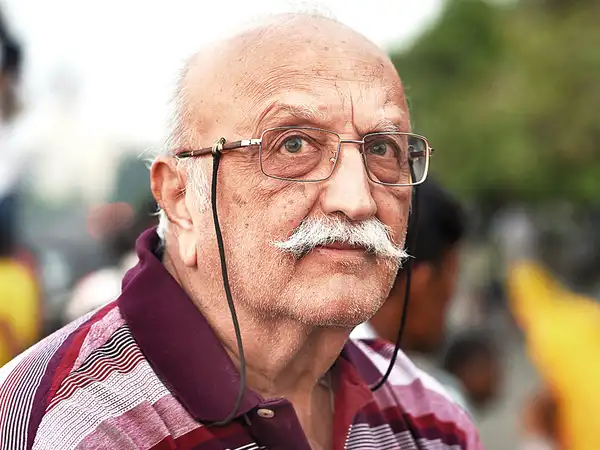
Mumbai: The passing of Vijaypat Singhania marks the end of an era that was as much about ambition and reinvention as it was about legacy and contradiction.
As the former Chairman of Raymond Group, Singhania was not just a custodian of one of India’s most iconic textile brands, he was its most visible transformer.
Under his leadership, Raymond evolved from a traditional fabric manufacturer into a sharply positioned lifestyle brand synonymous with aspiration, sophistication, and masculine identity.
But to define him purely by business would be reductive. He was a man who broke molds literally and metaphorically.
The brand builder who understood aspiration before it became a buzzword and long before “premiumisation” became marketing jargon, Singhania embedded aspiration into Raymond’s DNA.
The iconic “The Complete Man” positioning wasn’t just advertising, it was cultural engineering. It elevated the brand from fabric to philosophy, from tailoring to identity.
At a time when Indian brands were still functional, Raymond under Singhania sold emotion, stature, and self-worth. This instinct to move from product to persona is what today’s D2C and luxury startups are still trying to master.
Singhania’s persona extended far beyond boardrooms. He was an aviator who set global records, including flying a hot air balloon to record altitudes an achievement that symbolised his appetite for risk and altitude, both literal and metaphorical.
This duality, industrialist and adventurer, made him a rare breed in Indian business. He didn’t just run a legacy; he performed it.
Yet, his story also underscores a recurring theme in Indian family businesses: the fragility of succession.
His public and deeply personal fallout with his son and successor cast a long shadow over his later years. It was a stark reminder that while Indian enterprises have professionalised rapidly, governance within promoter families often remains emotionally complex and structurally fragile.
For the business community, this is the uncomfortable but necessary takeaway:
Legacy is not just built in balance sheet it is tested in transition.
Singhania’s life offers three enduring lessons for modern brands and leaders:
Raymond’s success came from selling identity, not just fabric. In today’s cluttered digital ecosystem, this principle is more relevant than
Singhania’s charisma amplified Raymond’s stature. But it also highlights the risk of over-centralised identity in legacy.
Indian business history is replete with valuation wins and governance losses. Singhania’s story reinforces that transition planning is as critical as market expansion.
Vijaypat Singhania didn’t just inherit a legacy, he stretched it, styled it, and stamped it with his personality.
In doing so, he redefined what an Indian industrialist could look like: part chairman, part showman, part explorer.
And perhaps that is how he will be remembered not just as the man who built Raymond, but as the man who lived life like a brand campaign, bold, visible, and unapologetically larger than life.


