











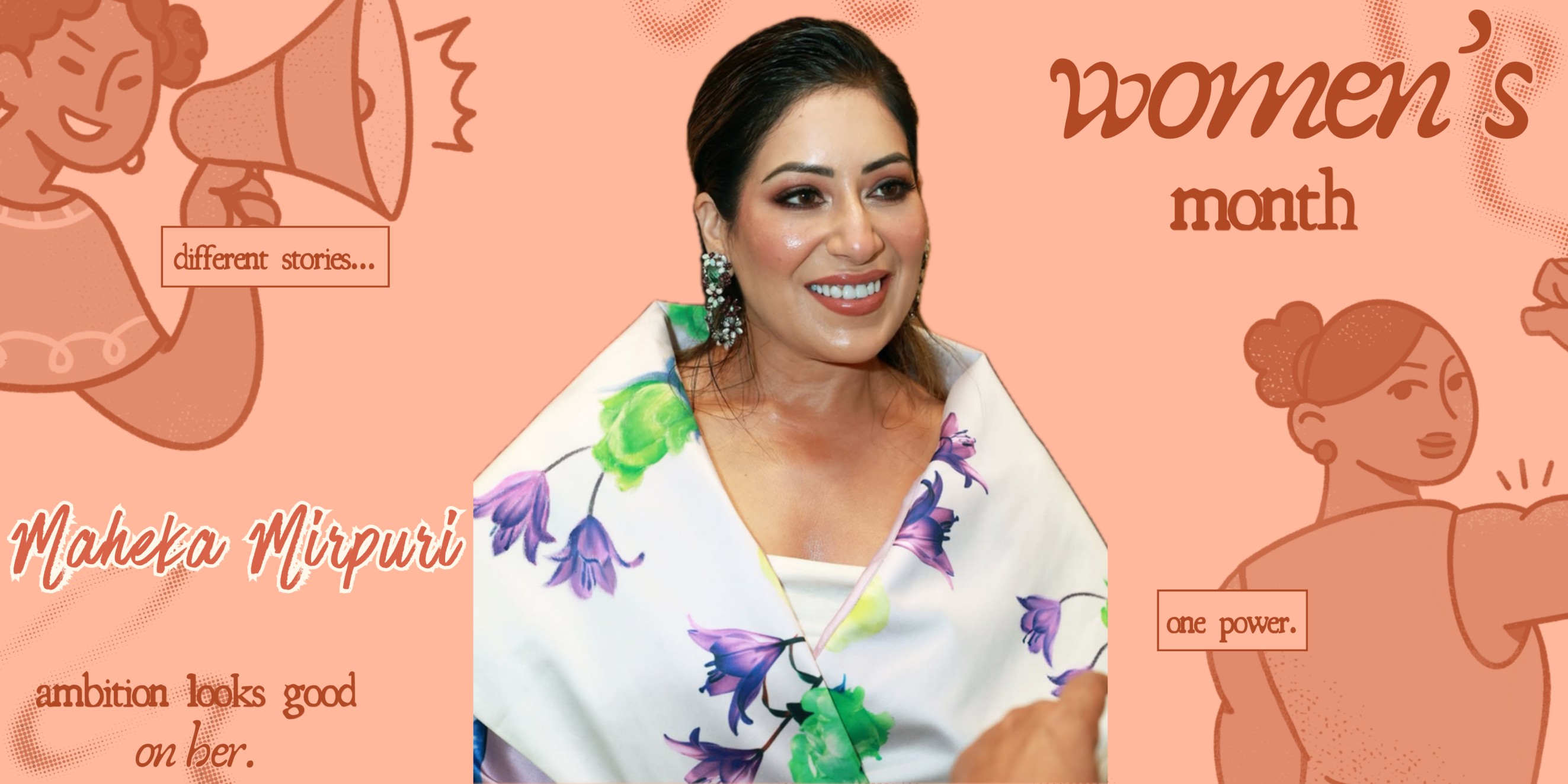
Mumbai: As India Inc marks International Women’s Day, conversations around women in leadership are increasingly shifting from representation to real influence and decision-making power. Over the past decade, more women have entered boardrooms, leadership panels and CXO roles across sectors ranging from media and marketing to technology and finance. Yet the deeper structural question remains: are women equally present where capital, revenue and growth bets are decided?
Despite progress in visibility, women remain underrepresented in P&L ownership, revenue-driving roles and succession pipelines, the positions that ultimately lead to CEO and board-level leadership. Industry studies repeatedly show that while companies have improved hiring diversity, the transition from inclusion to institutional power remains uneven.
To mark International Women’s Day, AdMirror is bringing together a series of candid conversations with women leaders across industries who are shaping business, communications, marketing and technology in India. In this special series, they unpack the realities behind leadership journeys from bias and career inflection points to the structural changes organisations must make to build more equitable and future-ready leadership pipelines.
In an industry where fashion labels often chase scale, visibility and seasonal noise, Mirpuri built her brand differently slowly, deliberately and on her own terms. What began in 1986 with a single hand-painted scarf in her living room evolved into one of Mumbai’s early couture-de-salon studios, long before experiential luxury became industry vocabulary.
Over nearly four decades, Mirpuri has not just designed garments; she has built a relationship-driven couture business rooted in precision craftsmanship, personalisation and creative autonomy. Her by-appointment atelier model redefined exclusivity, positioning couture as dialogue rather than display and the wearer as collaborator rather than consumer.
But her entrepreneurial lens extends beyond aesthetics. As a jewellery designer, event curator and founder associated with the MCAN initiative in collaboration with Tata Memorial Hospital, Mirpuri represents a generation of women who fused creativity with operational discipline and purpose-led leadership at a time when few spoke of women-led luxury enterprises as scalable business models.
This Women’s Day, Mehaka Mirpuri reflects not just on fashion, but on authorship of brand, of narrative and of economic independence in India’s evolving couture landscape.
Edited excerpts:
We’ve made progress on representation but not necessarily on redistributing power. In your sector, are women included in leadership, or are they actually influencing capital allocation, hiring priorities and strategic direction? Where does real decision-making still remain male-dominated?
In fashion, women are highly visible as designers, creative heads and consumers but visibility. Creative leadership has opened up significantly to women, but capital allocation, investor negotiations and expansion funding conversations are still largely male-dominated across industries.
In my own business, I made a conscious decision to retain strategic and financial authority because creative vision without financial control limits real impact. True power lies in deciding where resources are invested, how teams are built and how risk is taken. Until more women sit at that intersection of creativity and capital, representation will remain symbolic rather than structural.
“True power lies in deciding where resources are invested, how teams are built and how risk is taken.” — Mehaka Mirpuri
Across industries, women leaders are often held to higher performance and behavioural standards. Have you experienced this “prove it again” bias, and how does it shape promotion pipelines and leadership evaluations?
Yes, the “prove it again” bias is subtle but persistent. Women are often expected to demonstrate consistency at a higher threshold before being seen as credible. A man may be seen as promising; a woman must be repeatedly exceptional.
As a founder, I’ve learned that competence alone is not enough; clarity, resilience and visible authority become necessary tools. This bias quietly affects leadership pipelines because women are evaluated not only on results but also on tone, style and likeability. Organisations must shift evaluation systems toward measurable outcomes and long-term strategic impact rather than personality-based leadership assessments.
Senior leadership pipelines see a sharp drop-off post-motherhood. Is this a policy failure, cultural failure, or measurement failure?
It is primarily a cultural and measurement failure. Policies may exist, but if leadership is still equated with constant physical presence and uninterrupted availability, women will continue to be penalised.
Productivity must be redefined. Leadership is about decision quality, strategic thinking and influence, not hours logged. When organisations measure output instead of optics, motherhood will no longer be viewed as a limitation but simply as one dimension of a leader’s life. The real shift will happen when performance metrics align with results, not proximity.
Corporate India speaks about male allyship, but how many male leaders sponsor women into revenue-driving roles? What needs to change structurally?
Allyship becomes meaningful only when power is shared. Sponsorship into P&L roles is where leadership credibility is truly built. While many organisations support women in advisory or functional roles, fewer are willing to place them in direct revenue ownership positions.
To change this, organisations must embed sponsorship into leadership KPIs. When diversity becomes linked to succession planning and financial performance, the shift will move from rhetoric to reality.
Are DEI initiatives becoming compliance checkboxes rather than transformation levers? How should diversity link to measurable business outcomes?
When diversity is treated as compliance, it remains superficial. But in creative and consumer-driven industries, diversity is directly tied to innovation and market relevance.
Organisations should measure diversity against innovation output, market expansion, talent retention and revenue growth.
When inclusive leadership drives measurable business performance, DEI stops being a moral conversation and becomes a strategic one.


