











Mumbai: Mumbai: What if advertising’s biggest myth, that creativity has a single owner, was forced into a public confession?
At a time when award shows continue to reward individual brilliance, Rajesh Kejriwal is challenging the norm. This year, Kyoorius Creative Awards introduce a simple but disruptive idea: if the work wins, both brand and agency win together.
The move questions long-standing hierarchies, rethinks legacy credit structures, and pushes the industry towards shared accountability.
(Edited Excerpts)
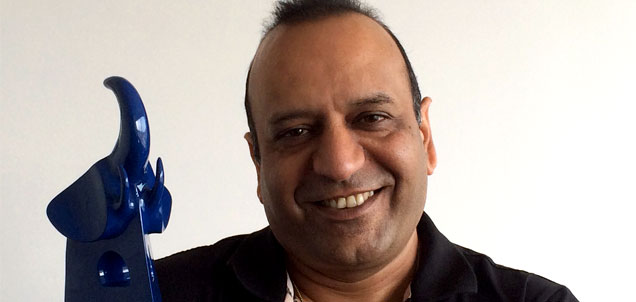
The blue elephant this year is forcing a confession that great work is inseparable from the agency-brand partnership. Is this a philosophical stand or a provocation?
Not really. This year's theme, 'It Takes Two', is quite simple. Agencies don't exist without marketing, and marketing doesn't exist without creativity. What often gets overlooked is the client's role in the process. Agencies may bring three bold ideas to the table, but it's the client who backs one — who takes the risk. They sign the cheque, fight internally for budgets, and bring critical insights to the table. That makes them equal partners in the work. So why shouldn't they be recognised for the same entry as equal contributors.
"If both are equal partners, both should be recognised equally — without exception."
Rajesh Kejriwal, Founder, Kyoorius
By linking brand and agency wins, Kyoorius is essentially rewriting how credit is assigned. Are you correcting a long-standing imbalance?
Both. It's about correcting an imbalance and redefining ownership. Globally, most award shows are chasing volume — how do we get more entries? Our focus is the opposite: how do we make every entry more credible? If something has won, it should mean it truly did something right, and everyone who contributed should be acknowledged.
Somewhere along the way, we've underplayed the role of brands. That has to change. In fact, I believe the future will see more brands entering awards directly — not just agencies. At Kyoorius, we're already seeing that shift.
Is this move also a subtle push to align creativity more tightly with business outcomes?
I wouldn't say this is about aligning creativity more closely with business outcomes. For us, it's really about giving due credit — especially to the CMO. Today, agencies get recognised, but the client often doesn't. And yet, I regularly get calls from CMOs asking, 'Are we winning? If yes, I'll come.' That itself tells you they're invested. But here's the gap — they may come on stage, but they don't take home the trophy. My intent is to change that.
"A CMO is far more answerable to fellow CMOs than to creatives. When peers start asking questions — 'when did this campaign even run?' — it creates a different kind of pressure."
Rajesh Kejriwal, Founder, Kyoorius
There's also the issue of so-called 'scam entries'. Does this model address that?
There's a deeper, more subtle shift here. This model nudges clients to take ownership — to stand behind the work and ask: did I really do this, and do I deserve it? When clients are equally present, when they're in the room with their peers, accountability changes. Reputation comes into play. Often, agencies push scam entries through, saying, 'You don't have to do anything, we'll handle it.' But when the client's own reputation is at stake, that dynamic shifts. That's the moment we want to bring in — where both brand and agency stand equally accountable, and the system begins to correct itself.
If this experiment succeeds, do you see it becoming an industry norm?
I don't believe this will become a norm. And yes, disruption has always been part of how we think — but only when it benefits the industry. Kyoorius has consistently challenged convention to make the ecosystem more fair, transparent, and inclusive. From open jury sessions to the Next Jury and Shadow Juries, we've focused on nurturing new voices and ensuring marketers and creatives sit together.
At one level, it's simple math — if you give 150 trophies, you give 300. But the intent goes beyond that. Great work is never created in isolation; it's always a shared effort. I believe this is something every award show should eventually adopt. Because at its core, this isn't disruption for the sake of it — it's just common sense.


