











India’s coffee story is no longer just about café expansion. It is about ecosystem building.
Over the past five years, specialty coffee in India has moved from niche indulgence to emerging lifestyle economy driven less by legacy consumption and more by marketing-led cultural adoption. Urban millennials and Gen Z consumers are not merely drinking coffee; they are brewing it, filming it, styling it, and sharing it. From AeroPress tutorials on Instagram Reels to pour-over setups in compact Mumbai kitchens, coffee has transitioned from beverage to personal ritual.
At the centre of this structural shift are enablers like Kaapi Machines and its retail-forward platform Something’s Brewing. Rather than simply supplying equipment, Kaapi Machines has positioned itself as an infrastructure player in India’s premium coffee economy - offering consulting, technology integration, barista training, and community-led IPs that expand the category itself.
Since 2007, the company has helped build café businesses, supported specialty roasters, and created experiential touchpoints such as the Mumbai Coffee Festival and competitive Latte Art Throwdowns turning coffee into participative culture rather than passive consumption.
Strategic collaborations with brands like Araku Coffee, Subko, Theobroma and McDonald's India signal a deeper shift: premium coffee is no longer confined to boutique cafés. It is entering mainstream QSR, artisanal bakery chains, and home kitchens.
For AdMirror, the larger question is this: is India witnessing the rise of a new lifestyle-led FMCG adjacency where content, creator education, and community marketing are doing the heavy lifting of category creation?
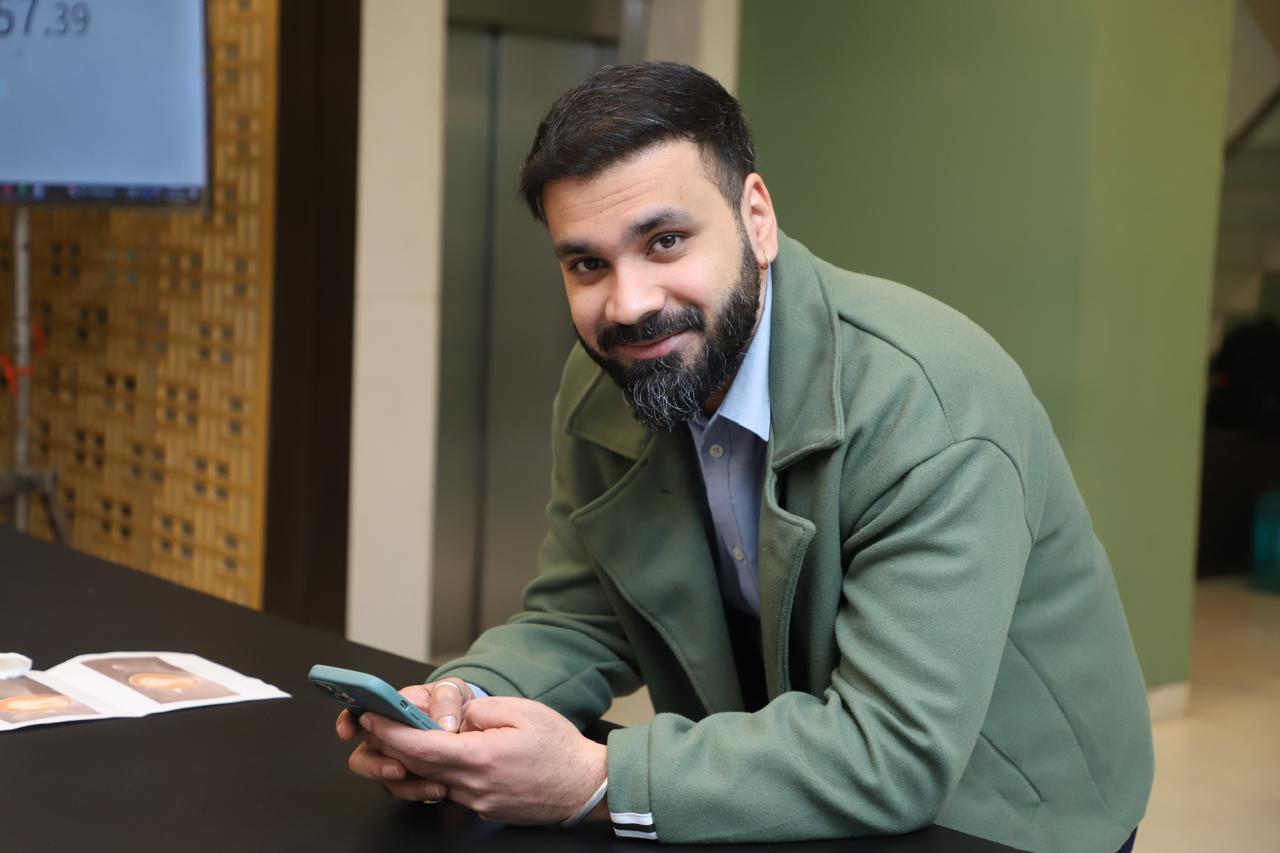
According to Anurag Das, Head of Marketing at Kaapi Machines, the inflection point was not product innovation alone, but narrative control. By demystifying brewing through education-led content, creator collaborations, and digital storytelling, brands were able to localise a global coffee culture for Indian consumers making it aspirational yet accessible.
This is not just a coffee growth story. It is a marketing case study in how culture can be imported, adapted, and scaled and how premiumisation today is being driven less by pricing and more by participation.
If India’s specialty coffee curve continues on its current trajectory, the real opportunity may not lie in cups sold, but in communities built.
India has traditionally been a tea-dominant market. What catalysed the rapid rise of home brewing among urban millennials and Gen Z? What initiatives are educating consumers across India?
The real shift began when coffee stopped behaving like a beverage and started behaving like a lifestyle signal. Urban millennials and Gen Z have not adopted coffee simply for taste or convenience. They are embracing it because it fits neatly into their need for personalisation, mindful rituals, and visible self expression. In a social first world, coffee is far more performative than tea, and that has materially accelerated adoption.
Three catalysts drove this inflection. First, the rapid expansion of café culture created aspiration and familiarity. Second, social media made brewing visual and learnable, dramatically reducing entry barriers.
Coffee stopped behaving like a beverage and started behaving like a lifestyle signal.
Third, experience led retail and guided workshops gave consumers the confidence to graduate from café consumption to home experimentation.
On the institutional side, the Coffee Board of India continues to drive domestic consumption through café initiatives and barista development programs.
Would you say this is a consumption trend or a deeper cultural shift? What evidence supports that?
This is decisively a structural cultural shift, not a short term consumption spike. Coffee is moving from being an occasional café indulgence to a daily, ritualised behaviour embedded into work from home routines, social hosting, and personal downtime. When consumers begin searching for grinders, brew ratios, and recipe precision rather than just brands, it signals deeper category involvement.
Our internal analysis shows the market expanding simultaneously at both ends of the spectrum. Craft led manual brewing is rising, while convenience driven automatic machines are also scaling.
Coffee in India is no longer being consumed. It is being practiced.
When a category grows across both craft and convenience segments at the same time, it typically indicates durable cultural adoption rather than temporary hype. In simple terms, coffee in India is no longer being consumed. It is being practiced.
How did marketing help translate global coffee culture into an Indian context?
Marketing succeeded because the smartest players chose to localise rather than simply import global coffee culture. Instead of positioning specialty coffee as elite or expert driven, brands reframed it as an everyday lifestyle upgrade. Global formats such as cold brew, pour over, and espresso were introduced through familiar Indian consumption moments and taste preferences.
Digital tutorials, beginner friendly kits, regional flavour storytelling, and café led discovery experiences helped decode what was earlier seen as an intimidating category.
The category did not scale because people suddenly became coffee experts. It scaled because marketing made the learning curve feel socially rewarding.
Coffee also had a structural advantage. It is inherently visual. In a social first discovery ecosystem, aesthetic brews, clean setups, and creator led demonstrations made specialty formats feel accessible and aspirational to Indian consumers. The category did not scale because people suddenly became coffee experts. It scaled because marketing made the learning curve feel socially rewarding.
What role did storytelling play in making brewing feel aspirational rather than intimidating? Was this evolution organic, or largely driven by structured content and education initiatives?
Storytelling was the conversion engine between curiosity and confidence. Left to technical communication alone, coffee can feel exclusionary. Story led narratives humanised the category by focusing on farmer journeys, roasting craft, flavour discovery, and personal rituals. This emotional framing repositioned brewing from a procedural task to a form of self expression.
The evolution was partly organic but significantly accelerated by structured education. Creator ecosystems, guided workshops, and brand led learning formats systematically reduced intimidation.
What began as niche enthusiast behaviour is now mainstream experimentation because the industry invested early in narrative led education.
What began as niche enthusiast behaviour is now mainstream experimentation because the industry invested early in narrative led education rather than product first selling.
How critical have Instagram Reels, YouTube tutorials, and creator led demos been in accelerating adoption? Are micro creators more effective than celebrity influencers?
They have been category defining accelerators. Short form video compressed what used to be a complex brewing process into repeatable, visual steps. This dramatically lowered the intimidation barrier and converted passive interest into active trial.
In specialty coffee, micro creators consistently outperform celebrity influencers on credibility. The category rewards perceived expertise and lived experience, not just reach. Micro creators bring relatability, depth, and instructional trust, which are far more valuable in a craft led ecosystem.
Celebrity content may drive awareness. Micro creators drive behaviour change.
Celebrity content may drive awareness. Micro creators drive behaviour change. In coffee, the latter matters more.
How do you measure community engagement versus transactional sales in this category?
We treat them as two tightly linked but fundamentally different signals. Community depth is tracked through saves, shares, comments, user generated content, workshop participation, and repeat consumption of educational formats. These metrics indicate long term category involvement and brand affinity.
Transactional performance is measured through conversions, repeat purchases, equipment upgrades, and subscription behaviour.
When engagement curves rise before revenue curves, it signals healthy category building.
The real insight lies in sequencing. When engagement curves rise before revenue curves, it signals healthy category building. When sales spike without community depth, it usually indicates promotion led demand that is harder to sustain.
In specialty coffee, patience in community building typically compounds into stronger lifetime value.
Why does Gen Z view brewing as a lifestyle ritual rather than just beverage preparation?
Because brewing delivers three things Gen Z values disproportionately: control, creativity, and intentionality.
In an always on digital environment, brewing offers a rare tactile pause. It allows personalisation across beans, methods, and presentation. That transforms coffee from a functional caffeine act into a self expressive daily ritual.
Coffee is increasingly functioning as a social catalyst, not just a morning beverage.
We are also seeing this behaviour spill into social formats. The rise of coffee raves and daytime café gatherings is particularly telling. Spaces that were once dominated by late night nightlife are now being reimagined as high energy, alcohol free coffee experiences.
This reflects a broader Gen Z pivot from late night escape to daytime, wellness coded social connection. Coffee is increasingly functioning as a social catalyst, not just a morning beverage.
For younger consumers, how they brew and where they consume coffee has become part of identity signalling.
How important are aesthetics in influencing purchase decisions?
In discovery led categories like specialty coffee, aesthetics are not cosmetic. They are catalytic. Visually
strong packaging, well designed brewing gear, and clean kitchen setups significantly influence first
consideration, especially in a platform driven environment like Instagram.
Visual appeal may win the first cup, but in cup quality wins the repeat behaviour.
However, aesthetics primarily drive trial. Performance drives retention. The brands that sustain momentum are those that treat design as the entry point but consistency as the retention engine. In specialty coffee, visual appeal may win the first cup, but in cup quality wins the repeat behaviour.
Is coffee today a marker of individuality and experimentation?
Increasingly and unmistakably, yes. Younger consumers are curating their coffee choices much like they curate playlists, wardrobes, or wellness routines. We are seeing active experimentation across origins, roast profiles, brew methods, and presentation formats.
Discovery led retail and experience centres are further accelerating this by giving consumers safe environments to explore without intimidation.
Coffee is no longer just consumed. It is customised, displayed, and socially signalled.
Coffee is no longer just consumed. It is customised, displayed, and socially signalled.
What are the most effective awareness building channels for expanding the home brewing audience?
There is no single silver bullet. Specialty coffee scales through ecosystems, not isolated channels.
Digital content builds top of funnel curiosity. Retail experience centres build tactile confidence. Workshops deepen skill and emotional investment. Partnerships with cafés and creators extend credibility and reach.
Fragmented funnels create curiosity. Integrated ecosystems create habit.
The fastest growing coffee categories are those where discovery, education, and hands on exposure operate in tight coordination. Fragmented funnels create curiosity. Integrated ecosystems create habit.
How important are offline experiential touchpoints in converting curious consumers into loyal brewers?
They are disproportionately powerful. Coffee is inherently sensory. When consumers taste the difference, handle the equipment, and watch the brewing process live, their confidence curve accelerates sharply.
Digital discovery can spark interest, but physical experience often closes the trust gap.
In specialty coffee, touch still converts better than scroll.
This is why guided brew sessions, experience led retail, and live tasting formats continue to outperform purely digital education in conversion quality. In specialty coffee, touch still converts better than scroll.
What regional trends are you observing beyond metro cities?
Tier 2 and Tier 3 India is not cautiously testing coffee. It is adopting with surprising intent. We are seeing strong demand for grinders, home machines, and specialty beans well beyond the metro footprint. Importantly, the adoption pattern is structured. Café exposure typically comes first, followed by home brewing experimentation.
Local ecosystems are playing a major catalytic role. Communities such as the Jaipur Coffee Community, Nagpur Coffee Community, Indore Coffee Community, and Surat Coffee Community are actively democratising knowledge through collaborative workshops, cupping sessions, and café partnerships.
That breadth of adoption is usually a strong indicator that the category is moving from niche to mainstream across India.
Our internal analysis also shows the market bifurcating between craft led manual brewing and convenience driven automatic machines across these regions. That breadth of adoption is usually a strong indicator that the category is moving from niche to mainstream across India.
What does the rise of specialty coffee indicate for broader FMCG and lifestyle brands?
Specialty coffee is sending a very clear strategic signal: modern consumers reward participation over passive consumption. Community building, education led marketing, and narrative depth are becoming core growth levers. Premiumisation today is less about price elevation and more about perceived involvement, learning, and experience ownership.
Modern consumers reward participation over passive consumption.
However, the category also offers an important caution. The coffee playbook is not plug and play. Brands that attempt surface level premium positioning without investing in credibility and ecosystem depth often struggle. The winners will be those who understand that in experience driven categories, trust compounds slower but lasts longer.


