











Mumbai: More than a decade after it first aired, Peaky Blinders continues to find new audiences while pulling older fans back into its world.
What began as a British period drama has steadily grown into a cultural marker, from its sharply defined visual identity to the enduring appeal of Thomas Shelby. The show’s world, rooted in post-war Birmingham, is instantly recognisable, not just for its storytelling but for the style, attitude and mood it carries.
That cultural recall is now translating into renewed momentum.
Streaming resurgence and the “Murphy effect”
In recent months, the series has seen a sharp spike in global viewership on Netflix, with audiences revisiting earlier seasons ahead of the franchise’s next chapter. The show has averaged over 45 million hours viewed per season, with Season 1 continuing to act as the entry point for new viewers.
A key trigger has been what industry observers are calling the “Murphy effect.” Following Cillian Murphy’s Oscar win for Oppenheimer, Peaky Blinders recorded an estimated 35% rise in viewership across markets including the US and Asia, highlighting how star power can revive long-tail content on streaming platforms.
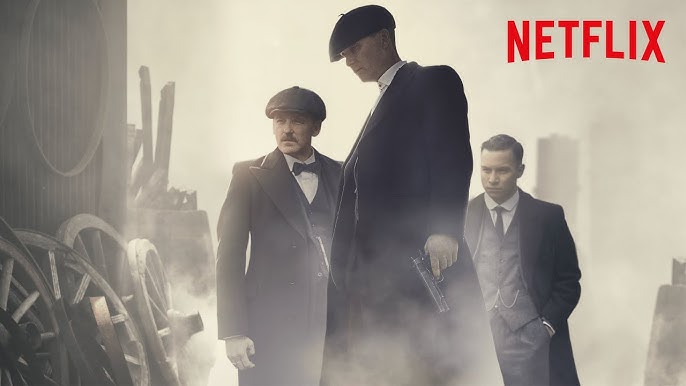
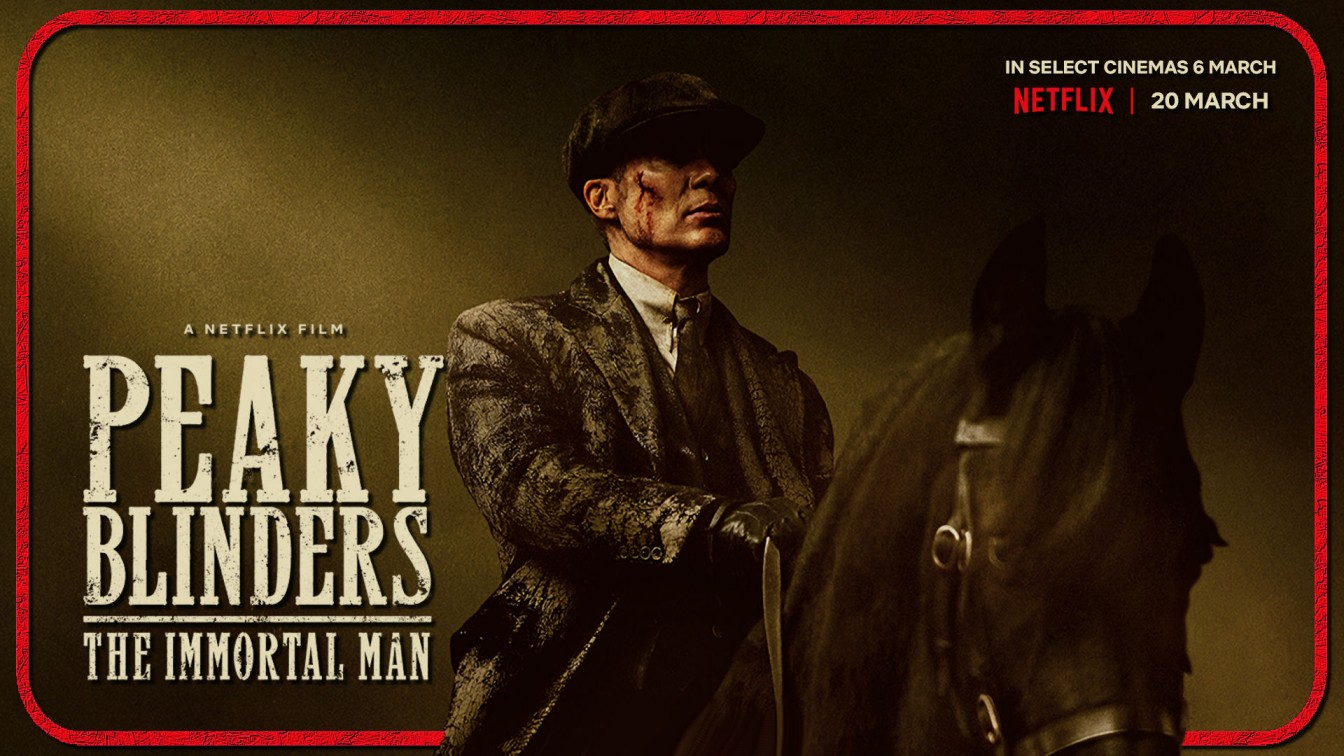
This resurgence aligns with the release of Peaky Blinders: The Immortal Man, which marks the franchise’s transition from series to film. Positioned as a tentpole release, the film is currently the most anticipated title on Netflix’s global charts. Industry projections suggest it will enter the Top 10 in over 90 countries within 48 hours, with expected viewership crossing 100 million hours in its opening week.
Netflix is using the film to drive renewed engagement with the entire 36-episode catalogue, a strategy already showing results. Markets like India have seen a significant spike in viewership, with audiences revisiting the series ahead of the release.
India has also emerged as a key growth market. For the first time, the film is being released with high-investment dubs in Hindi, Tamil and Telugu, signalling a push to expand beyond metro audiences into wider regional markets. The show has remained in Netflix India’s Top 10 in recent weeks, underlining strong pre-release traction.
From screen to street: the Shelby effect on culture
Beyond viewership, Peaky Blinders continues to influence consumer behaviour. The “Shelby look” has moved from screen to street, driving increased searches for flat caps, tweed waistcoats and heritage tailoring.
Bespoke markets in cities like Mumbai and Delhi are also seeing a rise in Peaky-inspired wedding and occasion wear, pointing to how content is translating into real-world consumption.
This reflects a broader shift where storytelling increasingly extends into commerce. Similar patterns have been seen with properties like Barbie and Bridgerton, where content ecosystems expand into fashion, merchandise and lifestyle, reinforcing cultural relevance beyond the screen.
From series to scalable IP
That expansion is now being formalised.
New projects, including a US-set storyline exploring Shelby operations in Boston and a spin-off centred around Polly Gray’s legacy, signal the development of a broader Peaky Blinders universe. The film itself also saw a limited theatrical rollout across boutique cinemas in the UK and Ireland, delivering strong per-screen performance and positioning it as an event release.
The bigger picture
With a new film driving catalogue growth and future spin-offs in development, Peaky Blinders is evolving into a multi-format IP with sustained global demand.


