











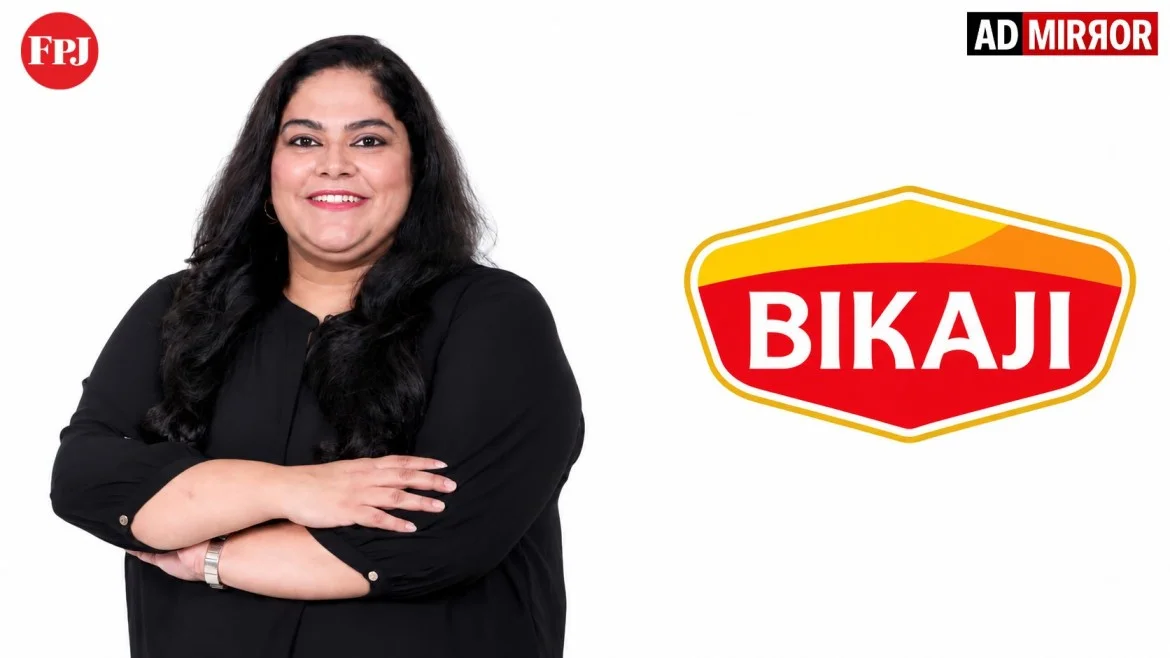
Mumbai: India’s festive season is becoming a bigger business opportunity for namkeen, sweets, gifting and premium snacking, as consumers increasingly look beyond traditional flavours to curated formats, better-for-you choices, convenience and personalised gifting. For Bikaji Foods International, the shift is creating an opportunity to take a familiar ethnic-snacks portfolio into newer festive occasions while retaining the taste and accessibility that underpin the brand.
In conversation with Admirror, Neha Rao, VP Marketing, Bikaji Foods International, discusses how festive marketing, premiumisation, corporate gifting, quick commerce and changing consumer behaviour are reshaping the category. She explains why traditional flavours continue to anchor mass consumption even as premium formats gain traction, how gifting is evolving across consumer and corporate segments, and why brands need to move from broad festive campaigns towards more occasion-led, regional and data-driven marketing.
Rao also highlights the growing role of e-commerce and quick commerce in festive purchases and argues that winning the festive season is not simply about being louder or adding more festive cues. For Bikaji, the larger opportunity lies in making familiar products more relevant to the way Indians now consume, celebrate, share and gift.
Editing Excerpt
How does the festive season change the way consumers think about namkeen, sweets and gifting and how is Bikaji responding to that shift?
The festive season brings together two distinct consumer behaviours — consumption and gifting. While snacking remains relevant through the year, festivals make consumers more conscious of presentation, variety and the overall gifting experience. We are seeing consumers look for products that feel more premium and gift-worthy, but premium does not necessarily mean expensive.
For Bikaji, this creates an opportunity to take products that consumers already know and love and make them more relevant to festive occasions. We are responding through formats, packaging and assortments that elevate the product and make it suitable for gifting, while keeping the taste, familiarity and accessibility that make our products relevant for everyday consumption. In many ways, it is about making a familiar favourite feel special enough for the festive moment.
Are festivals still primarily traditional flavours, or are consumers increasingly looking for new formats, premiumisation and convenience?
Traditional flavours continue to have very strong relevance, particularly across the mass market, where consumers continue to favour the tastes and products they know and trust. At the same time, there is a growing premium segment that is looking for more than just premium packaging and consumers are exploring better-for-you options, differentiated ingredients, newer formats and a wider range of products, particularly for gifting and more evolved consumption occasions.
So, it is not really a shift away from tradition, but a broadening of the market. Traditional flavours continue to anchor mass consumption, while premiumisation is opening opportunities around better-for-you choices, greater variety, innovation and more contemporary formats.
Convenience is also becoming increasingly important, with e-commerce and quick commerce making this wider range of products more accessible. For Bikaji, the opportunity is to serve both ends of this spectrum staying rooted in the traditional flavours that drive mass consumption, while expanding our range and innovating around formats and offerings to meet the evolving needs of premium consumers.
How important are gifting and corporate orders to Bikaji’s festive business, and how is the brand making gifting more contemporary?
Gifting is an important and growing part of the festive opportunity for Bikaji, both in the consumer and corporate segments. With increasing disposable incomes, consumers are spending more on festive celebrations and are also becoming more conscious of the gifting experience and how the gift is presented.
For corporates, festive gifting has increasingly become a way of recognising employees, customers and partners and making them feel valued. There is also a growing preference for personalisation — whether through customised assortments, packaging or incorporating the company’s own branding and logo. This makes corporate gifting a particularly interesting opportunity for the category.
For Bikaji, the opportunity is to offer a wider range of curated assortments, formats and packaging, with the flexibility to cater to different occasions, budgets and corporate requirements. The aim is to make Bikaji not just a brand people buy for their own festive consumption, but one they are happy to share and gift.
“The advantage lies in knowing when to say something differently and when not to say the same thing as everyone else.”
The Indian festive consumer has changed, and what is the biggest shift you are seeing in how people spend, celebrate and make purchase decisions?
The biggest shift we are seeing is that the festive consumer is becoming far more diverse and discerning. There is no longer one single festive consumer or one way of celebrating. The same consumer can make very different choices depending on the occasion whether it is buying for the family, gifting, entertaining guests, celebrating a regional festival or making a last-minute purchase.
Younger consumers are also bringing their own preferences to traditional occasions, with greater openness to new products, formats and ways of celebrating. At the same time, e-commerce and quick commerce have made purchasing far more immediate and convenient, particularly when consumers are looking for something at the last minute.
For brands, this means that the festive opportunity is no longer about one broad seasonal proposition. It is about understanding these different occasions and being relevant to consumers at each of them.
The importance of the festive period to your business, and what categories, occasions or consumer behaviours are driving that demand?
The festive period is an important consumption and gifting window for Bikaji, but we do not see snacking as a seasonal category. Namkeen and snacks are consumed throughout the year, while the festive period creates an incremental opportunity through increased household consumption, entertaining, gifting and celebrations.
The nature of that opportunity also varies by market and occasion. Regional festivals can drive strong local demand, while gifting and corporate orders create a different opportunity altogether. Consumers also tend to stock up when they are hosting family and friends or celebrating at home.
Beyond consumption, festivals bring a sense of euphoria and positive sentiment, which makes this an important period for brands more broadly. Consumers are more engaged with celebrations, more open to trying and sharing products, and there is greater cultural and emotional relevance around the brands that participate meaningfully in the season.
For Bikaji, the approach is therefore to identify the occasions and markets where we can be most relevant, while using the festive period not just to drive incremental consumption, but also to strengthen the brand and build relevance for the rest of the year.
What percentage of your annual marketing budget is allocated to the festive season, and how has that investment changed over the past two to three years?
The festive period is particularly important for us because it is both a significant sales window and a high-relevance period for the brand. As a result, some of our key brand campaigns are timed around this period not necessarily because they are festive campaigns, but because this is when consumer engagement and category relevance are at their peak.
Over the past two to three years, our approach has become more targeted and data led. We are looking more closely at the markets, occasions and consumer touchpoints where our investment can have the greatest impact. So, the evolution has not simply been about increasing festive spends, but about using this important period to drive both business and brand building more effectively.
Beyond discounts and promotional offers, what does it take for a brand to genuinely stand out during an increasingly crowded festive season?
In an increasingly crowded festive environment, standing out is not necessarily about adding more festive cues to communication. For us, it is about understanding the consumer and the occasion and ensuring that the brand remains relevant to that context. We advertise during the festive period, but that does not mean every piece of communication has to look like conventional festive advertising. Regional relevance, strong product-led communication, meaningful creator collaborations and the ability to use real-time consumer data can help brands be more precise rather than simply louder.
Ultimately, the advantage lies in knowing when to say something differently and when not to say the same thing as everyone else. Our offerings are tailormade to the festive season too, especially in the gifting segment which makes us stand out and deliver value to the entire universe of our consumers.
This piece was carried in Free Press Journal Brand Sutra, dated 21st September 2026. Click here for Snippet


