











Mumbai: For a brand with 100 years of nutrition credentials behind it, protein was always going to be the next logical step. What took longer was figuring out the right way in. Horlicks has now made its move, launching Horlicks Protein Powder with a proposition that sidesteps the gym entirely: your day, it says, is already workout enough.
India's protein supplements market, estimated at $912.9 million in 2025, is projected to grow to $1.58 billion by 2034, according to IMARC Group. India's whey protein market, a subset of the broader category, was valued at $178.45 million in 2025 and is projected to reach $221.98 million by 2031. Yet despite that growth trajectory, only about 3% of Indian households currently consume protein products, pointing to the scale of the category-building task ahead.
For HUL, the bet is not a small one. The company's food portfolio generated revenue of Rs 14,061 crore in FY26, representing 22% of total company revenue, with Horlicks generating annual revenues of over Rs 2,000 crore. The company undertook 5% price hikes in Q1FY27 to tide over higher raw material costs and reported a 15-quarter-high volume growth of 6% in Q4FY27, though that momentum slowed as war-related raw material cost increases put pressure on volume growth.
The bigger opportunity for Horlicks is to take protein beyond the gym and make it an everyday nutrition habit. As protein moves from a niche, fitness-led category into a broader health and wellness conversation, Horlicks is looking to bring it into the routines of a much wider consumer base.
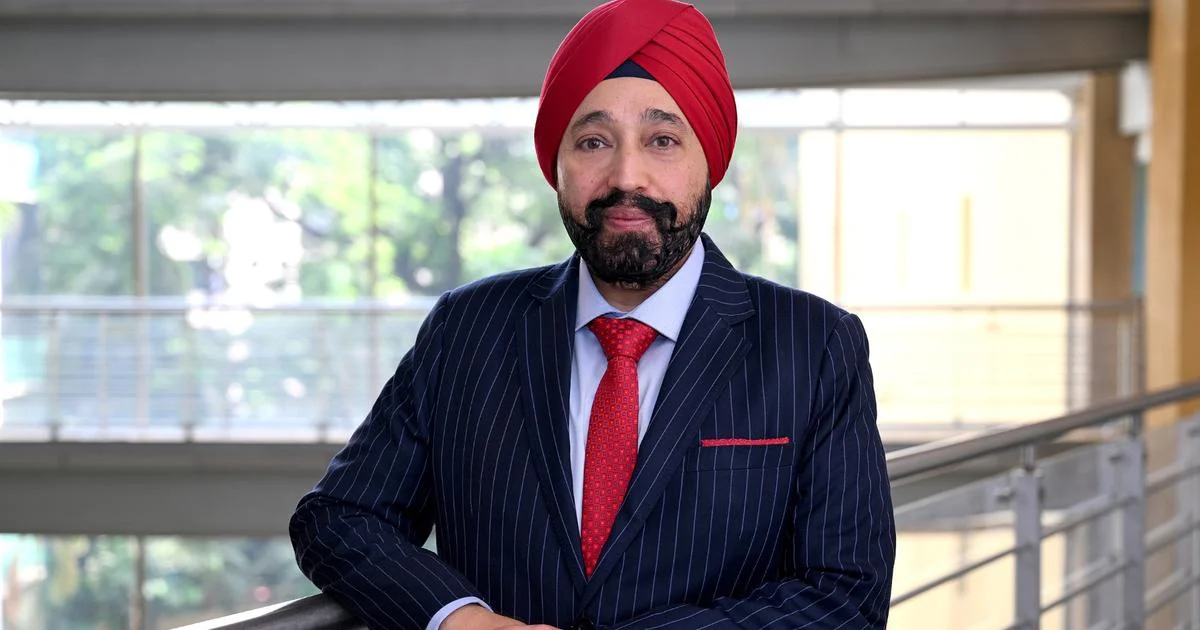
Rajneet Kohli, Executive Director, Foods, Hindustan Unilever Limited, in conversation with Admirror, said the move represents a natural extension of Horlicks' long-standing nutrition credentials.
How large is India’s protein nutrition market today, and what is driving its growth?
The protein market in India is currently around ₹7,000–8,000 crore and growing rapidly. Yet penetration remains very low, with only about 3% of households consuming protein products today.
It is a significantly underpenetrated market, largely because awareness around protein is still low. People are not necessarily aware of how much protein they need or see it as something they need to consume every day.
That creates a significant opportunity for the category to grow as awareness builds. For Horlicks, entering protein is a natural progression, given the brand’s long-standing credentials and equity in nutrition.
The campaigns capture very relatable, everyday moments. How do you plan to amplify this communication and take it to a mass audience?
The key insight behind the campaign is “your real day is your real workout.” We wanted to move the conversation beyond the gym and establish protein as relevant to everyday life.
The campaign comes from a simple truth: you don’t have to step into a gym to have a demanding day. From the morning rush and commute to long workdays, household responsibilities and keeping up with family, everyday life constantly puts demands on you. Your real day is your real workout and that is why protein needs to be part of everyday nutrition, not just a gym routine.
Consumers currently buy largely through e-commerce, quick commerce and specialist channels. So, initially, our media mix will be targeted at consumers already engaging with the category, while our larger task is to build awareness and bring more people into it.
The campaign will be supported by influencers, nutritionists and our R&D experts to explain science and build credibility. Horlicks Protein provides 24 grams of high-quality protein from fermented yeast, contains all nine essential amino acids and has prebiotic fibre. Importantly, it is not just about the quantity of protein, but its quality and how well the body can utilise it.
Trust is another key barrier. Coming from the house of Horlicks and HUL gives us strong brand credentials, backed by more than 150 lab tests per pack.
Our consumer research also highlighted an important gap, particularly among women, who often prioritise their families’ nutrition over their own. So, communication is designed to challenge the perception that protein is only for gym-goers and make it relevant to a much broader audience.
With TV as a key medium, how are you targeting young, health-conscious consumers looking to add more protein to their everyday diet?
Our core target is young adults, particularly Gen Z, who are increasingly conscious of nutrition and what they consume. They are more informed and actively seeking products that fit their health and lifestyle needs, making protein an increasingly relevant part of their everyday choices.
Our approach is simple: go where the consumer is. That means being strongly present on digital platforms such as Instagram and YouTube, where this audience spends a significant amount of time. We will also use relevant influencers, nutrition experts and our R&D teams to make conversation more credible and help consumers understand the science behind protein.
Performance marketing will be an important part of the mix, particularly across e-commerce and quick commerce, where consumers are already discovering and purchasing protein products. It allows us to be more precise in reaching consumers who are actively considering the category.
TV will also play a role because it gives us the ability to build scale and awareness. But at this stage, the priority is targeted TV and efficient reach rather than mass reach for its own sake. We want to first establish the proposition with the right consumer, learn what works and then progressively broaden our media mix.
Ultimately, it is about starting with the right audience, meeting them in the channels they engage with most and then scaling the communication as the brand and category grow.
With competition coming from sports nutrition, protein powders, D2C brands and newer RTD products, where does Horlicks Protein see its biggest competitive advantage?
The first point is that, despite all the players in the market, protein penetration in India is still only around 3% of households. So, for us, the bigger opportunity is to grow the category rather than simply take share of existing players. Our core job is to make protein relevant to everyone, every day, and bring more consumers into the category.
Our competitive advantage comes from bringing together high-quality protein, strong nutrition credentials and the trust of the Horlicks brand, in formats that are convenient and accessible. We have a sachet format that removes the need to measure or mix, and an RTD format that is ready to consume and easy to carry.
A significant amount of work has also gone into the product itself. Our R&D team has worked extensively on quality, nutritional profile and, importantly, the taste and consumer experience. The product provides high-quality protein, all nine essential amino acids and prebiotic fibre. The fibre is also an important part of the proposition because it supports digestion.
Taste is a critical barrier in this category. Consumers often associate protein products with a chalky or unpleasant taste, so getting the taste right was a major focus for our R&D team. We are very confident that we have created a product that delivers on both nutrition and taste.
We also wanted to make high-quality protein more accessible. At around ₹2,600 per kg, and at approximately ₹85 per sachet on Amazon, we believe we are offering a science-led, premium nutrition product at a much more accessible price point. Affordable does not mean compromising on quality. Our proposition is to bring high-quality protein and strong nutritional science to a much broader set of Indian consumers.
What would be your long-term ambition for Horlicks Protein in India? And are you also thinking of taking this as an export to outside of India?
Our immediate and most important job is to grow the protein category in India. With penetration at only around 3% of households, there is a huge opportunity in front of us, and our focus is firmly on building the category and increasing penetration here.
Having said that, the product has the quality and science credentials to travel beyond India. We have done extensive testing, and the product meets high standards from a quality and nutritional perspective. So, while exports are certainly a possibility, India comes first for us. We want to establish the proposition, build consumer adoption and realise the opportunity in this market before we look at taking it to other countries.
How will HUL leverage its distribution strength to drive both access and awareness for Horlicks Protein at scale?
For us, there are three important A’s: awareness, accessibility and affordability. All three have to come together if we want to build this category on a scale.
Awareness is the first step. Consumers need to understand why protein matters, how much they need and why it should be part of their everyday nutrition. That education will happen through our communication, but distribution will also play an important role because it is where consumers ultimately discover, see and experience the product.
HUL’s distribution strength gives us the ability to take Horlicks Protein beyond the larger cities and specialist channels and make it available much more widely. We want consumers to be able to find it where they already shop, whether that is modern trade, general trade, e-commerce or quick commerce. Different formats, including sachets and RTD, will also help us address different consumption occasions and make the product more convenient.
But availability alone is not enough. The proof of the pudding is in the eating. We want consumers to try the product, experience the taste and understand the nutritional benefits for themselves. Trial, supported by the right offers and strong in-market visibility, can help convert awareness into adoption.
Our distribution network is not just about putting the product on shelves. It is about making the product visible, available, easy to try and easier to understand and ultimately helping more consumers make protein part of their everyday nutrition.


