











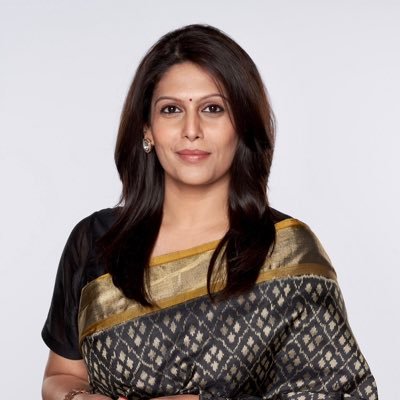
MUMBAI: Palki Sharma Upadhyay exits Firstpost at a time when journalism is no longer defined by channels or mastheads, but by credibility, narrative authority and audience trust. Her career isn’t just a professional timeline and it is a live case study in how media influence is being rebuilt in the digital age.
Her journey began at Doordarshan in 2002, where she absorbed the fundamentals of broadcast discipline and live storytelling. A move into print at Hindustan Times added editorial depth, followed by a long tenure at CNN-News18 that sharpened her on-air authority and newsroom leadership skills. Few journalists successfully bridge print rigor and television performance at scale which Sharma did both.
The inflection point came at WION, where Gravitas positioned her not merely as a news anchor, but as a global affairs interpreter. The show’s analytical framing of geopolitics, especially during volatile international moments and expanded her audience well beyond Indian television into global digital viewership. For Indian English news talent, that kind of cross-border narrative influence remains rare.
At Firstpost, the shift became structural. Vantage with Palki Sharma wasn’t simply a show, it was a digitally engineered content product built for YouTube discovery, long-form engagement and opinion-led storytelling.
Audience growth validated a clear truth: in a platform-driven media economy, anchors who shape format, voice and distribution create disproportionate value.
Her trajectory mirrors a larger industry shift, journalists increasingly function as individual brands. Presentation style, point of view, and consistency of voice now travel faster than channel loyalty. Audiences follow people before platforms.
What often gets missed is Sharma’s entrepreneurial instinct. In 2016, she launched Reyva, a contemporary saree label rooted in heritage weaves and modern positioning. The brand gained traction through curated platforms and exhibitions before being paused due to newsroom commitments. That early venture revealed a working understanding of brand creation, positioning and consumer storytelling and these skills extend naturally into today’s creator-led economy.
Her planned return to entrepreneurship, supported by fresh funding, reframes this exit not as a departure from journalism but as a strategic pivot and toward building scalable influence beyond editorial roles.
For media and brand leaders, the signals are clear:
Platforms are transient; trust compounds.
Content leadership now equals brand equity.
Journalists who own narrative frameworks outperform those who merely present information.
The creator economy is absorbing senior media talent faster than traditional networks can retain them.
Palki Sharma’s next chapter will matter not because of where she lands, but because it will test how far individual media brands can scale when credibility becomes the primary distribution engine.


