











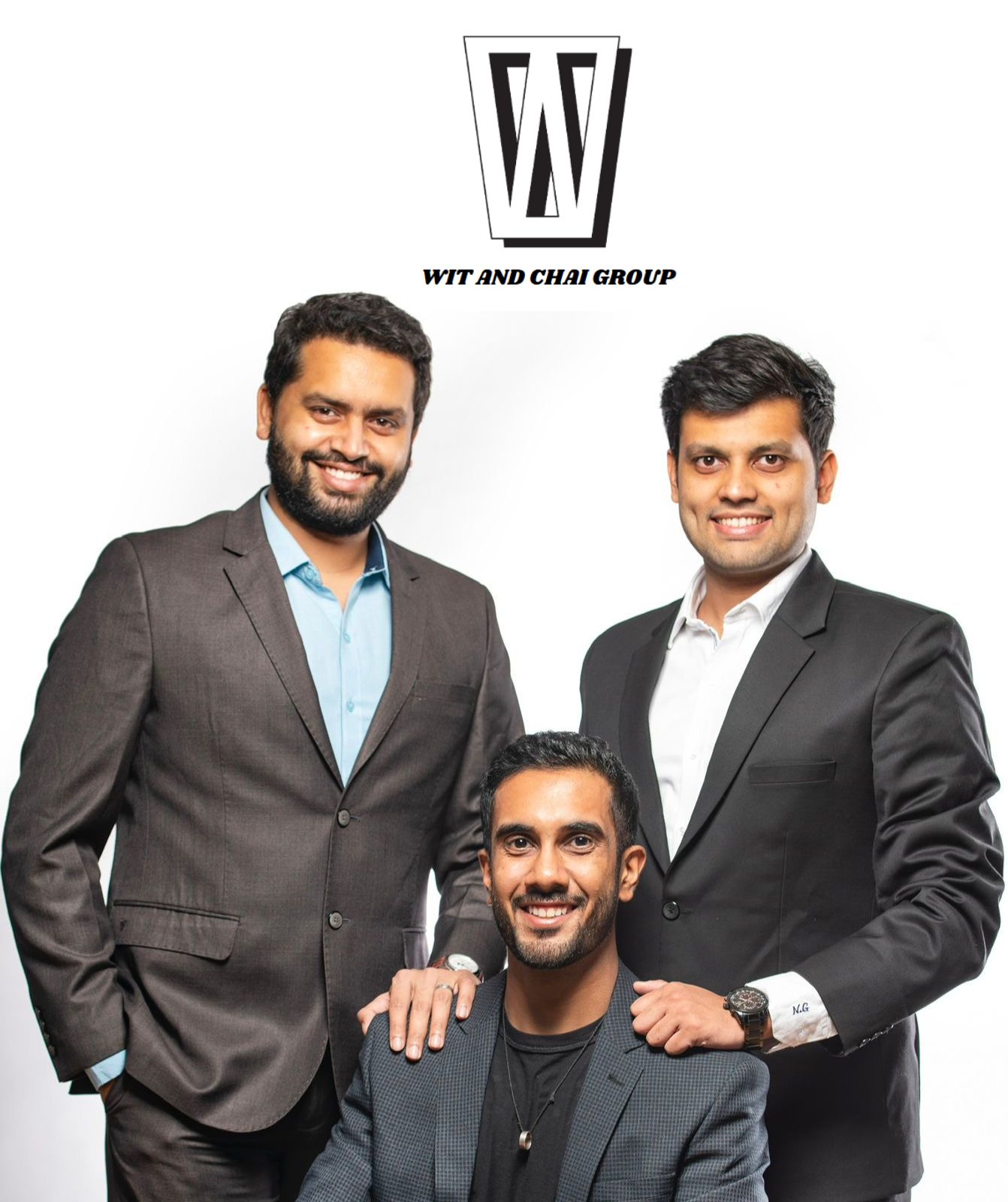
Mumbai: In an era where brands compete not just for market share but for cultural relevance, Pune-based creative agency Wit & Chai has emerged as a distinctive voice in India’s advertising ecosystem. Co-founded by Mohit Ghate, the agency blends strategic thinking with culturally rooted storytelling to craft campaigns that resonate deeply and drive measurable impact.
Working with marquee brands such as Microsoft, Bajaj, and Tata Motors, Wit & Chai has built its reputation on authenticity, local insight, and data-backed creativity across digital, print, and experiential platforms. In this exclusive interaction with AdMirror, Mohit Ghate shares how the agency navigates complex branding challenges, balances wit with business outcomes, and redefines modern advertising in a rapidly evolving market.
In an industry flooded with content, algorithms, and performance dashboards, what does “wit” really mean in 2026, and how do you ensure it drives business impact, not just applause?
In 2026, wit is no longer about cleverness or charm. It is about judgment. Wit today means clarity of intent in an environment designed to distract. At Wit & Chai, we measure wit by outcomes, not applause. If an idea earns attention but does not build memory, trust, or movement toward a business goal, it is noise. The real value of wit is that it simplifies decision-making for the consumer and sharpens it for the brand.
Wit & Chai sits at the intersection of storytelling and strategy. How do you balance cultural intuition with data-led decision-making without diluting either?
We do not treat data as truth. We treat it as evidence. Cultural intuition helps us understand why people behave the way they do, while data helps us validate scale and direction. Strategy creates discipline, storytelling creates connection, and data keeps us honest. The dilution happens when one tries to replace the other. The balance comes from respecting each role and knowing when to lead with judgment.
Many agencies claim to be “culture-first.” What does that practically mean in your planning and creative process?
Being culture-first means embracing specificity, not scale. We invest deeply in understanding cultural nuance before arriving at an idea. Once we find something that feels rooted, we intentionally test it for fragility. If an idea can be easily replicated across cultures without losing meaning, it is usually not the right idea. The strongest cultural ideas resist translation. They feel native, earned, and difficult to copy. Those are the ideas that drive disproportionate impact.
Pune isn’t traditionally seen as India’s primary advertising hub. Has operating outside Mumbai given you an advantage in perspective and agility?
Absolutely. Pune’s weather has probably helped productivity more than any management framework ever could. More importantly, being outside Mumbai gives us distance from herd thinking. It allows for calmer teams, faster decisions, and deeper focus. We are also seeing a steady flow of Mumbai talent choosing Pune for the quality of work and life. That balance has helped us stay sharp without burning out.
You work with brands like Tata Green Batteries, Kotak811, and Godrej, each with very different legacy and positioning. How do you adapt your storytelling grammar across categories?
We work with exciting categories and some genuinely unglamorous ones. Not many people want to talk about batteries, lockers, or steel. That is precisely where the real creative challenge lies. The grammar changes, but the discipline does not. We look for the one human tension that makes the category relevant. Interesting communication is rarely about dressing things up. It is about making them meaningful.
When you’re handed a complex branding challenge, what’s the first principle you anchor yourself to the consumer insight, business objective, or brand truth?
Brand truth comes first. Consumer insights and objectives evolve, but brand truth anchors decision-making over time. Without it, campaigns may perform temporarily but rarely compound into long-term equity. Once brand truth is clear, insights sharpen and objectives become achievable without contradiction.
Are Indian brands today braver with creativity, or more risk-averse given performance pressures?
Brands are braver today, largely because risk is now modular. Earlier, one large film carried disproportionate stakes. Today, digital allows brands to test, iterate, and course-correct quickly. That enables calculated risk-taking. It still requires conviction to push bold ideas internally, but the ecosystem now supports experimentation without existential fear.
In the current landscape where digital dominates, how do you decide when to go platform-first versus idea-first?
The idea always comes first. Platforms are distribution decisions, not creative starting points. When brands start with platforms, they optimize formats instead of meaning. A strong idea adapts across platforms. A platform-first idea usually expires with the algorithm.
Performance marketing often overshadows brand building. How should marketers strike the right balance?
This debate is losing relevance. Consumers do not experience brands in silos, and neither should organizations. Performance tells you what worked. Brand tells you why it worked. One without the other creates fragility. The real objective is coherence, where storytelling, delivery, and measurement reinforce each other.
What are brands still getting wrong about authenticity in 2026?
Brands still try to perform authenticity instead of practicing honesty. Brands are not people. They are businesses selling something, and audiences understand that. Consumers are comfortable watching ads. What they reject is being misled. Transparency builds trust faster than relatability ever will. Authenticity today is about consistency, not personality.
How are AI, automation, and data analytics reshaping the creative process at Wit & Chai? Do you see experiential and community-driven marketing becoming central to brand growth, especially in Tier 2 and Tier 3 markets?
AI helps us move faster and think clearer, but it does not replace accountability. We use technology to remove friction, not judgment. At the same time, experiential and community-led marketing is becoming critical, especially in Tier 2 and Tier 3 markets where trust is built through presence and consistency. Digital creates reach. Human experience creates belief.
What does the next five years look like for independent agencies competing against large network agencies?
Independence is no longer a disadvantage. It is a strategic edge. Network agencies still bring scale, but they struggle with speed and always-on digital. BAU work is moving in-house or to specialists. For campaigns, brands are actively choosing between networks and independents. Independents are winning on senior involvement, accountability, and clarity without bureaucracy.
As a co-founder, what has been your biggest learning about scaling a creative business without losing its soul?
Scale systems, not personalities. Culture is shaped by everyday decisions, not vision decks. What you tolerate defines you. Growth should amplify values, not compromise them. If something feels wrong at ten people, it becomes impossible at a hundred.
If you had to define Wit & Chai’s next big ambition in one line, what would it be?
To build one of India’s most trusted independent creative networks where strategy leads, creativity compounds, and trust remains the most valuable currency.
Why Wit matters more than Ever in advertising in 2026
The advertising industry did not change overnight. It recalibrated quietly, almost politely, until the cumulative shift became impossible to ignore. By the time we entered 2026, the rules had not just evolved, they had reset.
Content multiplied. Dashboards became denser. Algorithms grew louder. Yet one truth became increasingly clear. Noise does not build brands. Judgment does.
In this environment, wit has taken on a new meaning. It is no longer about clever wordplay or attention-grabbing visuals. Wit today is about intelligent restraint. It is the ability to simplify complexity, respect the audience’s intelligence, and make a brand’s intent unmistakably clear. If an idea earns applause but does not move perception, memory, or behaviour, it is entertainment. Not advertising.
From Intuition to Intent
At Wit & Chai, we operate at the intersection of storytelling and strategy, but we do not confuse instinct with impulse. Cultural intuition tells us where to look. Data tells us where to commit. Strategy defines the guardrails. Storytelling creates momentum. Data validates direction. The balance comes from knowing that none of these can replace judgment.
One of the most misused phrases in our industry today is culture-first. Culture is not a mood board or a trending format. It is behaviour, context, and emotional relevance. Practically, this means investing time to understand nuance before landing on an idea. And once we find something that feels culturally rooted, we test it by asking an uncomfortable question. Can this idea be replicated everywhere without losing meaning?
If the answer is yes, it is usually not the right idea.
The strongest cultural ideas resist translation. They are specific. They feel earned. They are difficult to copy. Those are the ideas that travel further than the media plan ever could.
Perspective from the Outside In
Operating from Pune has quietly shaped how we think and work. Beyond the obvious benefits of calmer teams and fewer distractions, there is a genuine clarity that comes from distance. Distance from herd thinking. Distance from constant industry validation loops.
There is also a visible shift underway. More talent is choosing Pune for the quality of work and life it enables. Better focus tends to produce better judgment. And in advertising today, judgment is the real competitive advantage.
Making the Uninteresting Interesting
Not all categories are created equal. Some brands are exciting by default. Others are essential, functional, and frankly, hard to romanticize. Batteries, lockers, steel, financial products. These are not categories people daydream about.
That is precisely why they matter.
The real creative challenge is not in amplifying excitement, but in discovering relevance. The grammar of storytelling changes across categories, but the discipline does not. The task is not to dress up boring categories, but to uncover the human tension that makes them meaningful. When communication respects reality instead of exaggerating it, people listen.
Brand truth before everything else
When faced with a complex branding challenge, the anchor must always be brand truth. Consumer insights evolve. Business objectives shift. Brand truth endures. Without it, campaigns may perform briefly but rarely compound into long-term equity.
This is also why the false debate between brand building and performance marketing is losing relevance. Consumers do not experience brands in silos. Performance tells you what worked. Brand tells you why it worked. The future belongs to organisations that connect intent to outcome without fragmentation.
Risk, Reimagined
Indian brands today are braver, not because they are reckless, but because risk is now modular. Earlier, one large campaign carried disproportionate stakes. Today, digital allows brands to test, learn, pull back, or scale quickly. This enables calculated risk-taking.
Conviction is still required. Creativity still needs to be sold internally. But the ecosystem now supports experimentation without existential fear. That is a meaningful shift.
Authenticity without pretence
One of the biggest misconceptions in modern marketing is authenticity. Brands are not people. They are businesses selling something, and audiences understand that. Consumers are not allergic to advertising. They are allergic to being misled.
Today’s audience knows the difference between content and an ad and is perfectly comfortable engaging with both, as long as there is transparency. Authenticity is not about sounding relatable. It is about being consistent, honest, and clear about intent.
Technology with Accountability
AI, automation, and data analytics have reshaped how we work, but they have not replaced responsibility. At Wit & Chai, technology is used to remove friction, not judgment. Speed without accountability creates fragility.
At the same time, experiential and community-led marketing is becoming increasingly important, especially in Tier 2 and Tier 3 markets. Trust is often built offline before it scales online. Digital drives reach. Human experiences drive belief.
The Independent Advantage
The next five years will be telling for agency models. Network agencies still bring scale, but struggle with speed and always-on digital thinking. BAU work is moving in-house or to specialists. For campaigns, brands are actively choosing between networks and independents.
Independence today is not a disadvantage. It is a strategic edge. Senior involvement, accountability, and clarity without bureaucracy are proving far more valuable than size alone.
Scaling without losing the soul
The hardest part of building a creative business is not growth. It is coherence. Scale systems, not personalities. Culture is shaped by everyday decisions, not vision decks. What leaders tolerate defines organisations more than what they celebrate.
Growth should amplify values, not dilute them. If something feels wrong at ten people, it becomes impossible at a hundred.
What comes next
The future of advertising is not about choosing between creativity and accountability. It is about integrating both. Strategy must lead. Creativity must compound. Trust must be protected relentlessly.
At Wit & Chai, our ambition is simple and demanding. To build one of India’s most trusted independent creative networks, where ideas are sharp, execution is disciplined, and trust remains the most valuable currency of all.
In a world obsessed with speed and scale, clarity may just be the boldest move left.


