











Mumbai: As India Inc celebrates International Women’s Day, the conversation around women in leadership is shifting from representation to real influence and decision-making power. Over the past decade, more women have entered boardrooms, leadership panels and CXO roles across sectors from media and marketing to technology and finance. Yet the deeper structural question remains: are women equally present where capital, revenue and growth bets are decided?
Despite progress in visibility, women remain underrepresented in P&L ownership, revenue-driving roles and succession pipelines, the positions that ultimately lead to CEO and board-level leadership. Industry studies repeatedly show that while companies have improved hiring diversity, the transition from inclusion to institutional power remains uneven.
To mark International Women’s Day, AdMirror is bringing together a series of candid conversations with women leaders across industries who are shaping business, communications, marketing and technology in India. In this special series, they unpack the realities behind leadership journeys from bias and career inflection points to the structural changes organisations must make to build more equitable and future-ready leadership pipelines.
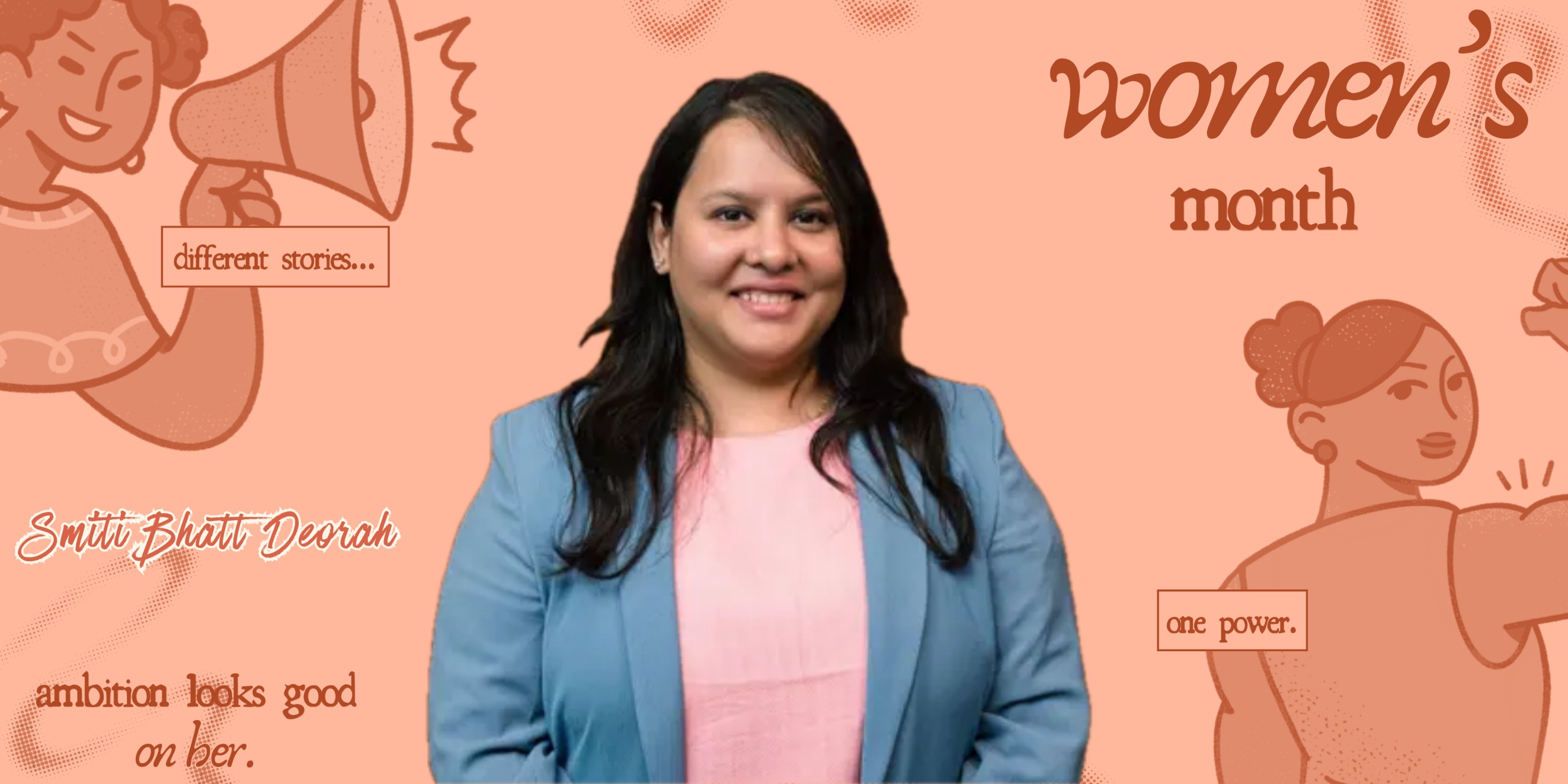
In a world where workplace expectations are rapidly evolving, Smiti Bhatt Deorah, Co-founder & COO of AdvantageClub.ai, is redefining how organizations engage, reward, and retain talent at scale. A serial entrepreneur and a strong advocate for employee experience, she has been at the forefront of building tech-driven solutions that humanize workplaces while driving measurable business outcomes.
In this Women’s Day interaction with AdMirror, Smiti shares her perspective on leadership, breaking barriers, and why the future of work must be built on empathy, inclusivity, and innovation.
Edited Excerpts
We've made progress on representation but not necessarily on the redistributing power. In your sector, are women included in leadership, or are they actually influencing capital allocation, hiring priorities, and strategic direction? Where does the real decision-making still remain male-dominated?
In the HR and employee experience space, there have been increased numbers in terms of women leaders and are often the preferred choice, because this work requires emotional intelligence, judgement, communication and strong execution.
And the influence is real. Women are owning budgets, hiring plans, and strategic priorities. Startups have helped accelerate this because if you own the mandate, you own the decisions. In my case, I own the revenue and new business mandate, so I’m directly responsible for growth priorities and the direction we take.
If there’s one place where decision-making can still look male-heavy, it’s the circles where financial decision-making happens. Finance still remains male-dominated, often influencing the decisions HR takes in terms of budget approvals. The way to address that is to make decisions transparent, assign clear ownership, and tie them back to outcomes.
Across industries, data shows that women leaders are often held to higher performance and behavioural standards than men in similar roles. Have you experienced this “prove it again” bias and how does it quietly shape promotion pipelines and leadership evaluations within organisations today?
What I’ve seen is this: whenever evaluation systems are vague, bias can creep in against anyone. The encouraging shift today is that more companies are becoming serious about structured evaluations. Clear role scorecards, outcomes tracked over time, and consistent promotion criteria help reduce subjectivity and improve fairness in evaluations.
I also see leaders becoming more mindful about language with less “she’s too aggressive” or “he’s confident,” and more focus on what the person delivered and how they led. In teams where this is done well, women don’t need to fit a particular personality type to grow. They need to own outcomes and build strong teams.
So yes, the bias does exist to some extent today as well. But the good news is that better systems are making leadership growth fairer and more predictable.
Despite progressive policies, senior leadership pipelines still see a sharp drop-off post-motherhood. Is this a policy failure, a cultural failure, or a measurement failure in how organisations define leadership commitment and productivity?
I feel the ecosystem has matured a lot here. Much of it comes down to how organisations define “commitment.” If commitment is still measured as visibility, long hours, and always being available, then of course it becomes harder post-motherhood. But when leadership is measured through outcomes, the story changes completely.
The best organisations plan transitions well, with flexible ramp-back periods, clear goals, and managers who know how to support life stages without making it awkward. Personally, I’ve seen what good support looks like. When I had a child, our investors didn’t ask uncomfortable questions, they celebrated it equally with us. That kind of response changes the tone for everyone. I also created a proper transition plan for the months I would be away from work to ensure that there is no loss of productivity till the time I would be back in full capacity.
If there is a drop in the senior leadership pipeline for an org post motherhood, it is most probably a failure in terms of all 3: policy, culture and measurement. With the right planning and a supportive culture, motherhood doesn’t slow leadership, it strengthens it.
Corporate India often speaks about male allyship but in practice, how many male leaders are willing to sponsor women into profit-and-loss roles or revenue-driving positions rather than support roles like HR, marketing, or communications? What needs to change structurally for that shift to happen?
I’m very optimistic about this, especially in startups and increasingly in large enterprises. What corporate India needs to realize is that women can be excellent at profit-and-loss roles and revenue-driving positions thanks to high EQ, good risk calibration skills and natural relationship building skills. They are also excellent at team building which is key for revenue generation and retention for teams to perform better.
In my journey, I myself own the sales and revenue mandate. It comes with real decision rights, accountability, and trust.
Early exposure to commercial roles, rotations into revenue teams, and leaders being intentional about who gets those opportunities make a real difference. It is important for women to get into these roles early in their career - within the first five years or so - to be well prepared to get into leadership positions later. When companies treat this as leadership development rather than a diversity favour, the change happens naturally.
The truth is that the ecosystem today is more ready than ever. Women are delivering, and businesses are increasingly comfortable putting women in outcome-driven roles.
Many companies now meet diversity hiring targets yet boardrooms and executive committees remain skewed. Are DEI initiatives becoming a compliance checkbox rather than a business transformation lever? How should organisations link diversity to measurable business outcomes like innovation, market expansion, or shareholder value?
Diversity is not just about hiring more women. Organizations also need to look at their diversity percentages in power positions. You might have more than 40% women in the org, but how many of those women actually do have decision making authority, is what drives true DEI. At its core, it is about building leadership and teams that represent different backgrounds, thinking styles, and life experiences.
The organisations that approach this thoughtfully link it to real business outcomes. They build stronger leadership pipelines, retain top performers, improve internal mobility, and increase representation in revenue and leadership roles.
Another important shift is to measure access, not just hiring. Who gets the big projects? Who is mentored and sponsored? Who gets to lead critical outcomes? That is where inclusion becomes real.
We absolutely need more women in the workforce. The encouraging part is that the ecosystem is ready, with startups and enterprises strengthening systems, support, and outcomes.


