











Mumbai : As India Inc celebrates International Women’s Day, the conversation around women in leadership is shifting from representation to real influence and decision-making power.
Over the past decade, more women have entered boardrooms, leadership panels and CXO roles across sectors from media and marketing to technology and finance. Yet the deeper structural question remains: are women equally present where capital, revenue and growth bets are decided?
Despite progress in visibility, women remain underrepresented in P&L ownership, revenue-driving roles and succession pipelines, the positions that ultimately lead to CEO and board-level leadership. Industry studies repeatedly show that while companies have improved hiring diversity, the transition from inclusion to institutional power remains uneven.
To mark International Women’s Day, AdMirror is bringing together a series of candid conversations with women leaders across industries who are shaping business, communications, marketing and technology in India. In this special series, they unpack the realities behind leadership journeys from bias and career inflection points to the structural changes organisations must make to build more equitable and future-ready leadership pipelines.
Even as corporate India celebrates rising female representation in boardrooms, leadership panels and CXO titles, a deeper structural question remains: who really controls decision-making power?
While more women are visible in leadership today than ever before, their presence in revenue-driving roles, P&L ownership and high-stakes strategic decision-making remains disproportionately low. The result is a leadership pipeline where representation is improving, but economic power and capital allocation authority continue to remain concentrated elsewhere.
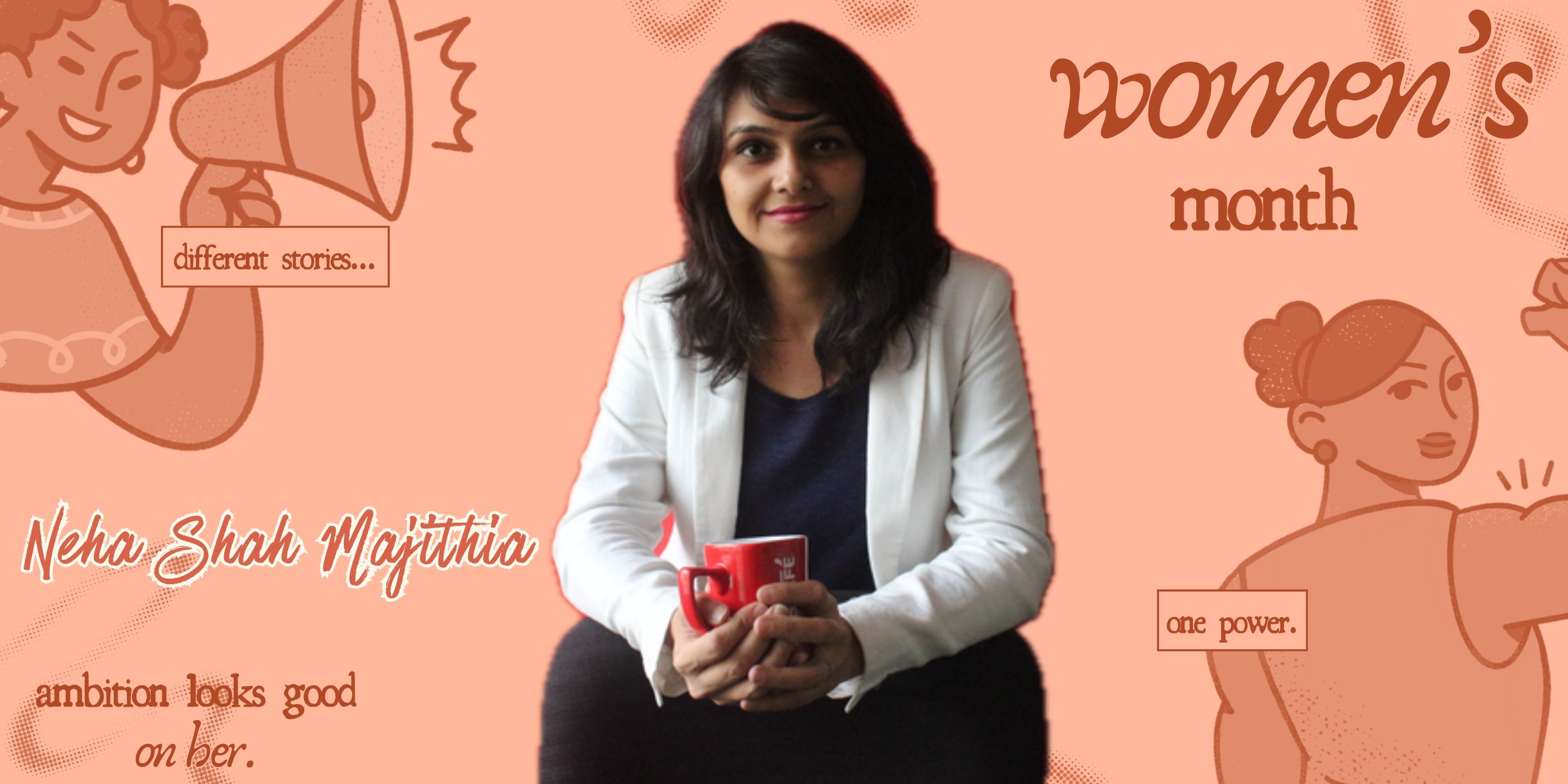
Entrepreneur, social media evangelist and digital strategist Neha Shah Majithia, Co-Founder and Chief OktoMind at Oktobuzz, has carved a distinctive space in India’s evolving digital marketing ecosystem.
With over a decade of experience spanning business development, strategy, digital marketing and training across India and the UK, Majithia has worked with brands including Amazon, Forbes, Tata Strive, Bath & Body Works and Satva. Her work focuses on helping organisations build strong digital communities and scalable growth strategies in an increasingly competitive online landscape.
Beyond the boardroom, Majithia is also a speaker, business consultant and dance teacher, bringing creativity and energy into both her professional and personal pursuits.
As India’s digital marketing ecosystem evolves, women entrepreneurs are increasingly shaping how brands connect with consumers in a data-driven, community-first world.
In this Women’s Day special, AdMirror speaks with Neha Shah Majithia about building a purpose-driven digital agency, nurturing creative talent and the role women leaders play in redefining the future of marketing.
Edited Excerpts
Q: We’ve made progress on representation but not necessarily on the redistributing power. In your sector, are women included in leadership, or are they actually influencing capital allocation, hiring priorities, and strategic direction? Where does the real decision-making still remain male-dominated?
In the advertising and digital media world, women have found their voice. Representation has improved, but the real power pockets like capital allocation, strategic direction, and financial control still tilt the other way. Women lead powerful campaigns and teams, yet fewer hold the pen on where the money flows.
“Representation is progress, but redistribution of power is transformation, and that’s where real equality begins.”
This isn’t about capability, it’s about access. Leadership has too often been measured by profit sheets rather than by purpose, perspective, and people impact—areas where women naturally excel.
At OktoBuzz, I have seen how when women are trusted with growth decisions, empathy meets efficiency, and creativity drives commerce.
The shift we need now is from inclusion to influence, ensuring women don’t just occupy seats at the table but also shape how business is done. Because representation is progress, but redistribution of power is transformation, and that’s where real equality begins.
Q: Across industries, data shows that women leaders are often held to higher performance and behavioural standards than men in similar roles. Have you experienced this “prove it again” bias and how does it quietly shape promotion pipelines and leadership evaluations within organisations today?
In the advertising and digital media space, I don’t believe women constantly need to “prove it again.” Our industry, by nature, values ideas and outcomes, and women have consistently delivered both.
That said, subtle biases still linger—not in capability, but in visibility and perception. Leadership is often defined by loudness, not by lasting impact. So, while women are performing at par or better, their successes sometimes get seen as exceptions, not the norm.
“Equality isn’t about proving worth again and again; it’s about recognising consistent excellence the first time it’s shown.”
At OktoBuzz, we have made it a point to break that pattern. We evaluate impact, not optics—measuring leadership by how it moves people and business forward. Because equality isn’t about proving worth again and again, it’s about recognising consistent excellence the first time it’s shown. When that becomes the norm, we will stop talking about women leaders—and start talking about great leaders, period.
Q: Despite progressive policies, senior leadership pipelines still see a sharp drop-off post-motherhood. Is this a policy failure, a cultural failure, or a measurement failure in how organisations define leadership commitment and productivity?
The drop-off post-motherhood isn’t a policy failure at all. It’s more of a cultural and measurement failure. Policies exist, but mindsets still lag behind. Too often, motherhood is mistaken for a slowdown when, in reality, it’s a masterclass in leadership.
Speed and presence are still equated with performance. But motherhood redefines both. It builds resilience, empathy, and an ability to prioritise with laser focus. The issue isn’t that women step back; it’s that organisations don’t step forward to redefine how commitment and productivity are measured.
“Motherhood doesn’t dilute ambition; it deepens it.”
At OktoBuzz, I have seen mothers lead complex campaigns with sharper clarity and stronger emotional intelligence than ever before. Motherhood doesn’t dilute ambition; it deepens it.
Real progress begins when we start valuing impact over attendance and outcomes over optics.
Q: Corporate India often speaks about male allyship but in practice, how many male leaders are willing to sponsor women into profit-and-loss roles or revenue-driving positions rather than support roles like HR, marketing, or communications? What needs to change structurally for that shift to happen?
Male allyship is often spoken about, but true allyship goes beyond applause; it’s about access, advocacy, and action. In most industries, men are comfortable supporting women in communication or culture-led roles. But profit-and-loss ownership or business leadership still sees limited sponsorship.
The real shift must start with intent and structure. Organisations need to make revenue accountability gender-neutral by giving women equal access to growth roles, client-facing mandates, and decision-making authority. Leadership potential should be judged by capability, not by outdated assumptions about pressure or priorities.
“Equality doesn’t begin with opportunity; it begins with ownership.”
At OktoBuzz, we have experienced that when women lead business outcomes, they don’t just grow numbers, they grow people. They bring balance, empathy, and long-term thinking into what’s often a short-term game.
It’s time we move from performative allyship to participative leadership. Because equality doesn’t begin with opportunity; it begins with ownership.
Q: Many companies now meet diversity hiring targets yet boardrooms and executive committees remain skewed. Are DEI initiatives becoming a compliance checkbox rather than a business transformation lever? How should organisations link diversity to measurable business outcomes like innovation, market expansion, or shareholder value?
Yes, in many cases, DEI has become a metric, not a mindset yet! Companies celebrate diversity numbers, but true transformation happens only when inclusion shapes how decisions are made, not just who’s in the room.
In advertising and digital media, diverse teams are our biggest creative advantage. Different voices don’t just bring representation, they bring richer insight, bolder ideas, and more relevant storytelling.
“Diversity isn’t a compliance goal, it’s a competitive edge.”
Diversity must be tied to business outcomes, not HR checklists. When inclusion influences client strategies, campaign thinking, and leadership decisions, it directly drives brand relevance, market expansion, and shareholder trust.
At OktoBuzz, we have seen that when teams reflect the world they speak to, the work connects deeper and performs stronger.
It’s time organisations stop counting how many women they have hired and start asking how many voices are truly heard. Because diversity isn’t a compliance goal, it’s a competitive edge.


