











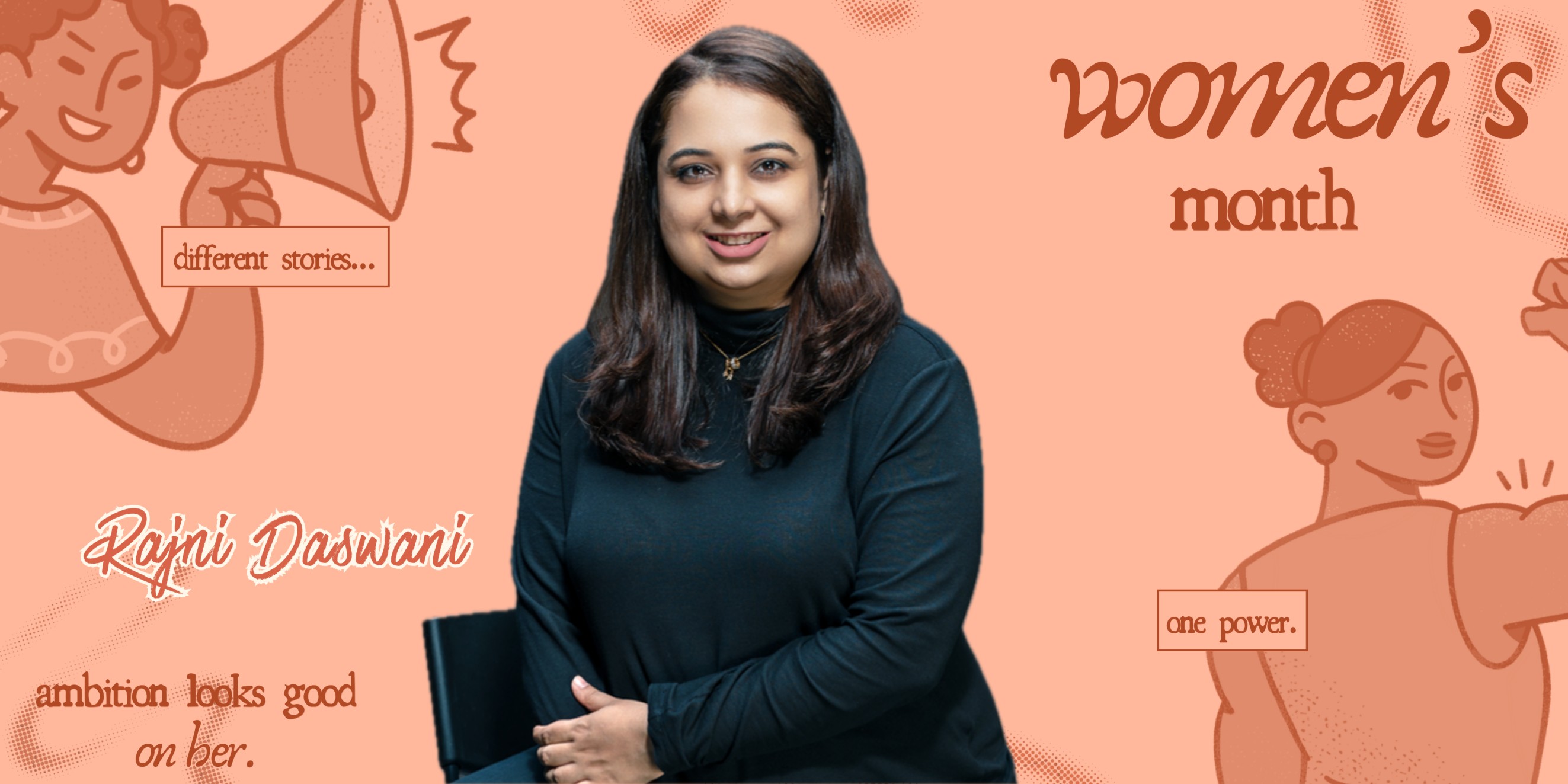
Mumbai: As India Inc celebrates International Women’s Day, the conversation around women in leadership is shifting from representation to real influence and decision-making power. Over the past decade, more women have entered boardrooms, leadership panels and CXO roles across sectors from media and marketing to technology and finance. Yet the deeper structural question remains: are women equally present where capital, revenue and growth bets are decided?
Despite progress in visibility, women remain underrepresented in P&L ownership, revenue-driving roles and succession pipelines, the positions that ultimately lead to CEO and board-level leadership. Industry studies repeatedly show that while companies have improved hiring diversity, the transition from inclusion
to institutional power remains uneven.
To mark International Women’s Day, AdMirror is bringing together a series of candid conversations with women leaders across industries who are shaping business, communications, marketing and technology in India. In this special series, they unpack the realities behind leadership journeys from bias and career inflection points to the structural changes organisations must make to build more equitable and future-ready leadership pipelines.
Some leaders build businesses. Others build teams. Rajni Daswani has built a reputation for doing both. As Chief Growth Officer - People & Business at SoCheers, she plays a pivotal role in scaling the agency’s growth while ensuring that culture and people remain at the heart of its journey.
With an entrepreneurial mindset and a sharp understanding of consumer behaviour, Rajni helps shape high-impact digital storytelling that drives tangible business outcomes. Her career path spanning macroeconomics, entrepreneurship, and over a decade in digital marketing gives her a rare blend of analytical thinking and creative instinct.
Beyond the fast-paced world of digital marketing, Rajni enjoys getting lost in books, binge-watching shows, planning travel adventures, and organising playdates for her daughters. When time allows, she also indulges her love for writing, shoes, and polka dots, small joys that balance a career built on growth, people, and purpose.
Edited Excerpts
We’ve made progress on representation but not necessarily on redistributing power. In your sector, are women included in leadership, or are they actually influencing capital allocation, hiring priorities, and strategic direction? Where does the real decision-making still remain male-dominated?
We have come a long way in terms of representation, with more and more women in leadership roles today than maybe a decade ago. While many rooms where revenue allocations and strategic decisions are made are still disproportionately male dominated, women are increasingly participating in these conversations, and organisations are recognising that diversity tends to bring more balanced decision-making and risk taking actions. The opportunity now is to continue expanding that influence and ensuring that women are not only leading teams but are also deeply involved in shaping strategy, driving growth, and making the decisions that move businesses forward.
“The next step is not just representation, but ensuring women shape strategy and drive business decisions.”
Across industries, data shows that women leaders are often held to higher performance and behavioural standards than men in similar roles. Have you experienced this “prove it again” bias and how does it quietly shape promotion pipelines and leadership evaluations within organisations today?
I believe the “prove it again” bias exists across genders today, though it can show up in different ways. In most organisations, performance is closely scrutinised before someone is considered ready for the next role. That said, for women it can sometimes extend beyond outcomes to behavioural expectations as well.
Over time, these subtle nuances can influence promotion pipelines and how leadership potential is perceived. The way forward is for organisations to measure impact and business results more clearly, reducing subjectivity in evaluations and creating a more balanced path to leadership for everyone.
Despite progressive policies, senior leadership pipelines still see a sharp drop-off post-motherhood. Is this a policy failure, a cultural failure, or a measurement failure in how organisations define leadership commitment and productivity?
It is all about how companies interpret commitment and how leadership is measured. It is often linear and determined by constant availability. Motherhood interrupts the continuity, momentary, while capability and ambition remain very much intact. However, many organisations are rethinking these long-held assumptions and there is growing recognition that leadership is defined by the quality of decisions and the ability to deliver impact. Companies and work cultures are now evolving and merit is the deciding factor contributing to leadership journeys that thrive.
Corporate India often speaks about male allyship but in practice, how many male leaders are willing to sponsor women into profit-and-loss roles or revenue-driving positions rather than support roles like HR, marketing, or communications? What needs to change structurally for that shift to happen?
Allyship is important and necessary in all circumstances. In many organizations, women are very well represented but it is often limited to operational functions like HR or communications. Consistent representation in revenue driven roles is still missing and those are the roles that sit at the decision making tables. For the balance to shift, leaders, regardless of their gender need to actively sponsor women into these high stake mandates and trust them with commercial risks and growth targets. Until that happens and the balance improves, the leadership gap will continue to persist.
“Real change will come when women are trusted with commercial risks and growth mandates.”
Many companies now meet diversity hiring targets yet boardrooms and executive committees remain skewed. Are DEI initiatives becoming a compliance checkbox rather than a business transformation lever? How should organisations link diversity to measurable business outcomes like innovation, market expansion, or shareholder value?
That said, times have changed now. Companies do not necessarily hire based on gender but on merit. From where I come from, advertising has historically been a male-dominated industry, but times have changed and I believe women now are as numerous as, if not more than, men in the industry. And we are doing pretty well.
DEI is not just a checkbox anymore and the conversation around it is often misunderstood. There should be no quota-based system when it comes to gender. If you get the work done and the merit is clear, you get selected and climb up the ladder. The next phase is most definitely about moving beyond hiring metrics and focusing on influence and who leads and controls decisions, and that is where diversity stops being symbolic and starts driving real business outcomes.


