











Mumbai | As India Inc marks International Women’s Day, the conversation around women in leadership is increasingly shifting from representation to real influence and decision-making power. Over the past decade, more women have entered boardrooms, leadership panels and CXO roles across sectors ranging from media and marketing to technology and finance. Yet the deeper structural question remains: are women equally present in spaces where capital, revenue and long-term growth bets are actually decided?
Despite visible progress, women continue to remain underrepresented in P&L ownership, revenue-driving roles and succession pipelines, positions that ultimately lead to CEO and board-level leadership. Industry studies repeatedly show that while organisations have improved diversity hiring, the transition from inclusion to institutional power remains uneven.
To mark International Women’s Day, AdMirror is bringing together a series of candid conversations with women leaders across industries shaping business, communications, marketing and technology in India. In this special series, leaders unpack the realities behind leadership journeys, from bias and career inflection points to the structural changes organisations must make to build more equitable and future-ready leadership pipelines.
Every year, discussions around gender diversity are moving beyond representation to a more critical question: are women leaders truly influencing business outcomes, or merely occupying symbolic seats at the table? Across sectors such as BFSI, technology, media, auto and consumer industries, women leaders continue to navigate structural barriers that shape access to capital, profit-and-loss roles, innovation mandates and boardroom decision-making power.
While Corporate India has made visible progress on diversity hiring and inclusion mandates, persistent challenges remain within leadership pipelines — from the motherhood penalty and performance bias to unequal sponsorship into revenue-driving roles. In an era where organisations are increasingly evaluated on ESG metrics, workplace equity and inclusive growth, the role of women leaders is no longer just a diversity imperative but a strategic business priority tied to innovation, market expansion and long-term shareholder value.
This Women’s Day, industry leaders reflect on the structural realities that continue to shape leadership pathways for women and what organisations must do to move from intent-led inclusion to outcome-driven transformation.
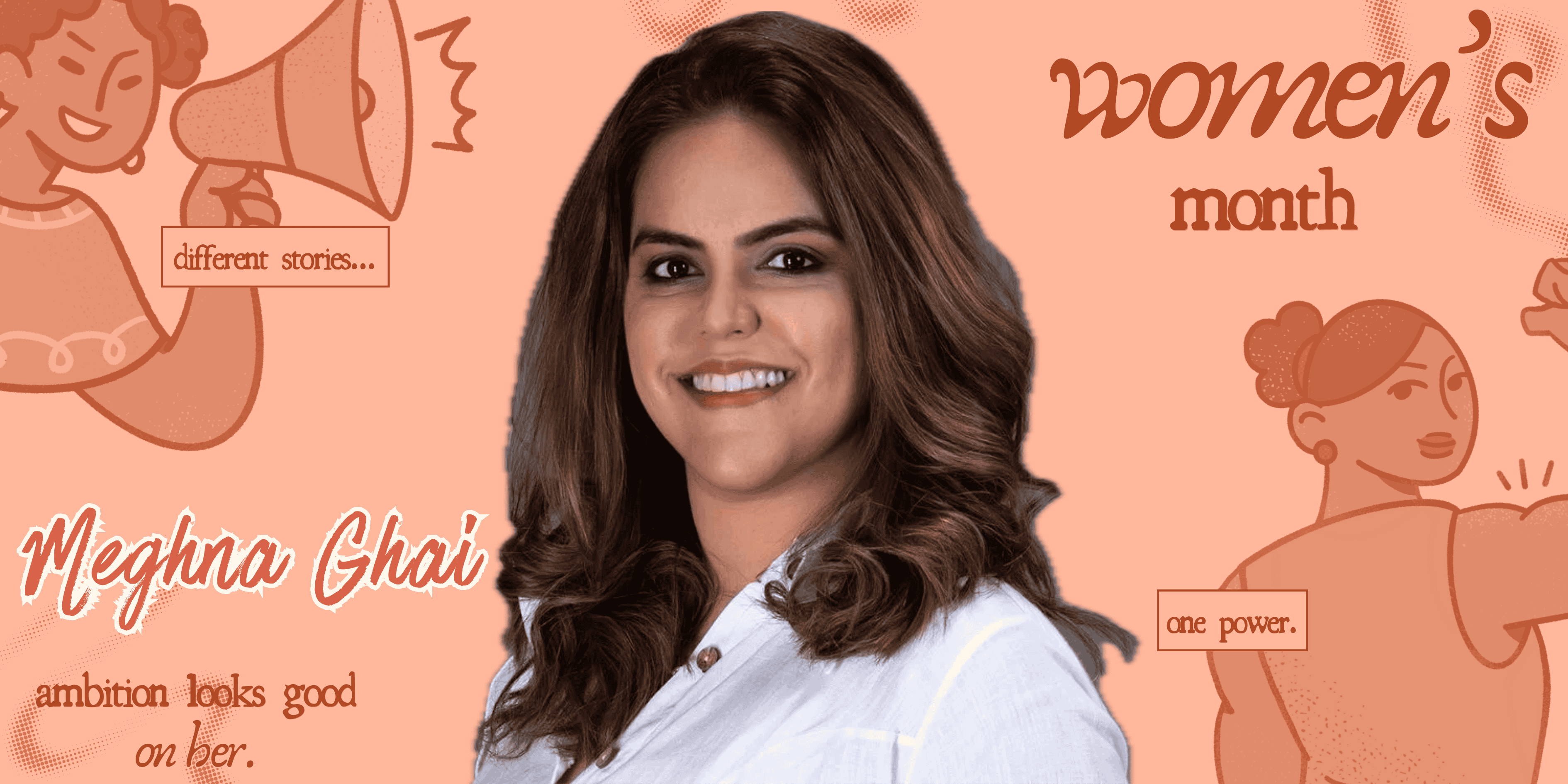
Meghna Ghai Puri, President of Whistling Woods International, blends global academic grounding with deep industry exposure to shape one of India’s most influential media institutions. Armed with a BSc (Hons) in Business Management from King’s College London and a Post Graduate Diploma in Communications, Advertising & Marketing from the CAM Foundation, London, Meghna returned to India after a stint at CDguru.com with a clear mission: to realise her father Subhash Ghai’s vision of building a world-class film school.
Since inception, she has been closely involved in every aspect of Whistling Woods International’s strategy and operations, while also leading marketing and international distribution at Mukta Arts for landmark films including Taal, Pardes and Yaadein. Over the past 18 years, she has spearheaded the launch of seven specialised schools under the WWI umbrella, offering programmes across filmmaking, acting, animation, fashion, music, visual communication design and media studies in partnership with TISS.
Recognised by The Hollywood Reporter among the world’s top ten film schools, WWI today stands as a key talent pipeline for India’s media and entertainment industry — a testament to Meghna’s vision of positioning it as a global thought leader in film and media education.
Corporate India has mastered the language of inclusion. What remains less examined is the architecture of power — who signs off on budgets, who runs P&L and who defines long-term strategy. As Women’s Day 2026 approaches, AdMirror moves beyond symbolism to interrogate structural influence.
Meghna Ghai Puri offers a candid perspective on what real leadership equity demands.
Edited excerpts
We’ve made progress on representation but not necessarily on redistributing power. In your sector, are women included in leadership or are they actually influencing capital allocation, hiring priorities and strategic direction? Where does the real decision-making still remain male-dominated?
At Whistling Woods International, inclusion has never been about numbers; it has always been about influence. We have been deeply intentional in creating an ecosystem where women are not just present but are leading key verticals, shaping strategy, managing resources and driving institutional growth.
Women here don't just participate, they lead. They head Admissions, Marketing, HR, Administration, our School of Media & Communication and other pivotal departments. They shape strategy, control budgets and make the decisions that define our institution.
Of course, if we look at the larger media and entertainment industry, there is still a journey ahead in terms of equal access to capital and large-scale decision-making. But what excites me is that the shift has begun. More women today are entering spaces that were once closed to them and every time a woman leads with vision and competence, she normalises that power for the next generation.
For us, education plays a very important role in accelerating this change because we are not just preparing students for the industry, we are preparing them to lead it.
“Inclusion should never be about numbers alone. It must translate into influence over strategy, resources and the decisions that shape institutions.”
Across industries, data shows women leaders are often held to higher standards than men in similar roles. Have you experienced this ‘prove it again’ bias?
Women have historically been evaluated through a narrower lens and many of us have experienced moments where we had to demonstrate consistency over potential.
But I see this changing, especially in environments that value collaboration, emotional intelligence and long-term thinking. At WWI, we focus on building transparent, merit-based systems where talent is recognised for its impact.
I truly believe that as organisations become more aware and more diverse in their leadership, evaluation itself becomes more balanced. The conversation today is not about whether women are ready for leadership; the conversation is about how leadership itself is evolving because of women.
Despite progressive policies, leadership pipelines still see a sharp drop-off post-motherhood. Is this a policy failure or a cultural one?
Motherhood is not a limitation; it is a leadership accelerator. It brings resilience, empathy, time management and a deeper understanding of people, all of which are critical leadership qualities.
Policies are important and we are seeing more progressive frameworks than ever before. But what is even more encouraging is the growing shift in mindset.
Younger organisations and leaders are redefining commitment in terms of outcomes and value creation rather than physical presence. When we redesign workplaces around trust and flexibility, we don’t just retain women, we create healthier and more productive institutions for everyone.
“Motherhood is not a limitation; it is a leadership accelerator.”
Corporate India often speaks about male allyship. In practice, how much of that translates into women entering revenue-driving roles?
I have always believed that real progress happens through partnership, not opposition. Today, many male leaders are not just supporting women, they are actively mentoring, sponsoring and opening doors.
The next step is ensuring more women move into revenue-driving and strategic roles and this is already happening as we see more women leading studios, businesses and creative enterprises.
At WWI we don’t define disciplines by gender. We equip every student — whether in filmmaking, business, media or communication — to understand both the creative and commercial sides of the industry.
Because leadership in the future will belong to those who can integrate both.
Many companies now meet diversity hiring targets yet boardrooms remain skewed. Are DEI initiatives becoming a compliance checkbox?
For us, diversity is not a programme; it is a creative strength. When you bring different voices into the room, the work becomes richer, more relevant and more global in its appeal.
In a content-driven industry, that directly translates into innovation and audience expansion.
The most successful institutions in the world recognise that inclusion fuels excellence. It helps you tell new stories, reach new markets and stay future-ready.
So the real transformation happens when diversity is reflected in what you create, in how you think and in the impact you make.
And I am very optimistic because the next generation entering the industry already sees inclusion as the default, not the exception.


