











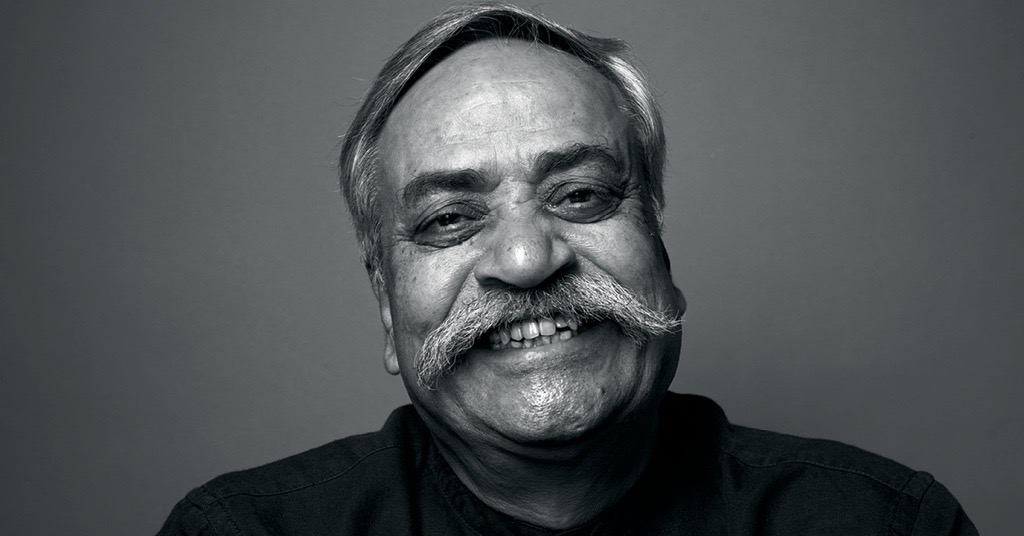
MUMBAI: When the Government of India announced a posthumous Padma Bhushan for Piyush Pandey, the advertising industry didn’t react with surprise, it reacted with recognition. The honour felt less like a late gesture and more like a long-overdue validation of advertising’s cultural power in India.
For over four decades, Pandey shaped how brands, institutions and political narratives connected with Indian audiences. His work moved beyond campaigns and media plans into everyday language, humour and emotional memory. Few creative leaders have influenced how India speaks to itself the way Pandey did.
Pandey, who passed away in 2025, spent more than forty years at Ogilvy India and emerged as the most influential figure the Indian advertising industry has produced.
At a time when communication leaned heavily on polished English and borrowed aspiration, he chose a radically different direction, rooting brand storytelling in local language, cultural nuance and lived reality. His advertising didn’t sound imported. It sounded unmistakably Indian.
That sensibility came from a life lived well before advertising. Prior to joining Ogilvy in 1982, Pandey worked as a cricketer, tea taster and construction worker, these experiences that shaped his instinctive understanding of people. He didn’t see consumers as target segments. He saw individuals shaped by context, class and emotion. Advertising, under his influence, stopped talking down and started speaking with people.
The result was a body of work that transcended commercial messaging. Campaigns such as Cadbury’s “Kuch Khaas Hai,” Asian Paints’ “Har khushi mein rang laaye,” and Fevicol’s iconic long-running platform became part of popular culture. Their lines travelled effortlessly across generations and geographies, entering everyday vocabulary. Pandey embedded emotion, humour and human insight into persuasion and making brands feel familiar rather than fabricated.
His impact also extended into political communication. The slogan “Ab ki baar, Modi sarkar” became one of the most recognisable political lines in recent Indian history, reflecting his sharp instinct for mass sentiment and messaging simplicity, regardless of political alignment.
Within the industry, Pandey resisted the myth of the solitary creative genius. He believed leadership was collective and creativity was a team sport. Under his stewardship, Ogilvy India grew into one of the world’s most awarded agencies and a training ground for future creative leaders who continue to shape Indian advertising today.
Global recognition followed in 2018, when Pandey and his brother Prasoon Pandey became the first Asians to receive the Lion of St. Mark at the Cannes Lions International Festival of Creativity, a milestone moment for India’s creative standing globally.
Even as advertising moves deeper into automation, performance marketing and AI-led creativity, Pandey’s thinking remains strikingly relevant. He consistently warned against chasing novelty without meaning. Technology, he believed, was only valuable if it strengthened emotional connection. Audiences don’t admire process; they respond to how communication makes them feel.
Pandey stepped down as executive chairman of Ogilvy India in 2023, transitioning quietly into an advisory role. His influence, however, continues through the generations of creative shaped by his philosophy.
The Padma Bhushan acknowledges advertising not merely as commerce, but as a cultural force capable of shaping collective memory and identity. Pandey’s enduring legacy lies in his rare ability to listen deeply to India and reflect it back with authenticity, warmth and emotional intelligence.
In doing so, he didn’t just redefine brand storytelling. He gave Indian advertising a voice that finally felt its own.


