











Mumbai: As India Inc celebrates International Women’s Day, the conversation around women in leadership is shifting from representation to real influence and decision-making power. Over the past decade, more women have entered boardrooms, leadership panels and CXO roles across sectors—from media and marketing to technology and finance. Yet the deeper structural question remains: are women equally present where capital, revenue and growth bets are decided?
Despite progress in visibility, women remain underrepresented in P&L ownership, revenue-driving roles and succession pipelines, the positions that ultimately lead to CEO and board-level leadership. Industry studies repeatedly show that while companies have improved hiring diversity, the transition from inclusion to institutional power remains uneven.
To mark International Women’s Day, AdMirror is bringing together a series of candid conversations with women leaders across industries who are shaping business, communications, marketing and technology in India. In this special series, they unpack the realities behind leadership journeys—from bias and career inflection points to the structural changes organisations must make to build more equitable and future-ready leadership pipelines.
Even as corporate India celebrates rising female representation in boardrooms, leadership panels and CXO titles, a deeper structural question remains: who really controls decision-making power?
While more women are visible in leadership today than ever before, their presence in revenue-driving roles, P&L ownership, and high-stakes strategic decision-making remains disproportionately low. The result is a leadership pipeline where representation is improving, but economic power and capital allocation authority continue to remain concentrated elsewhere.
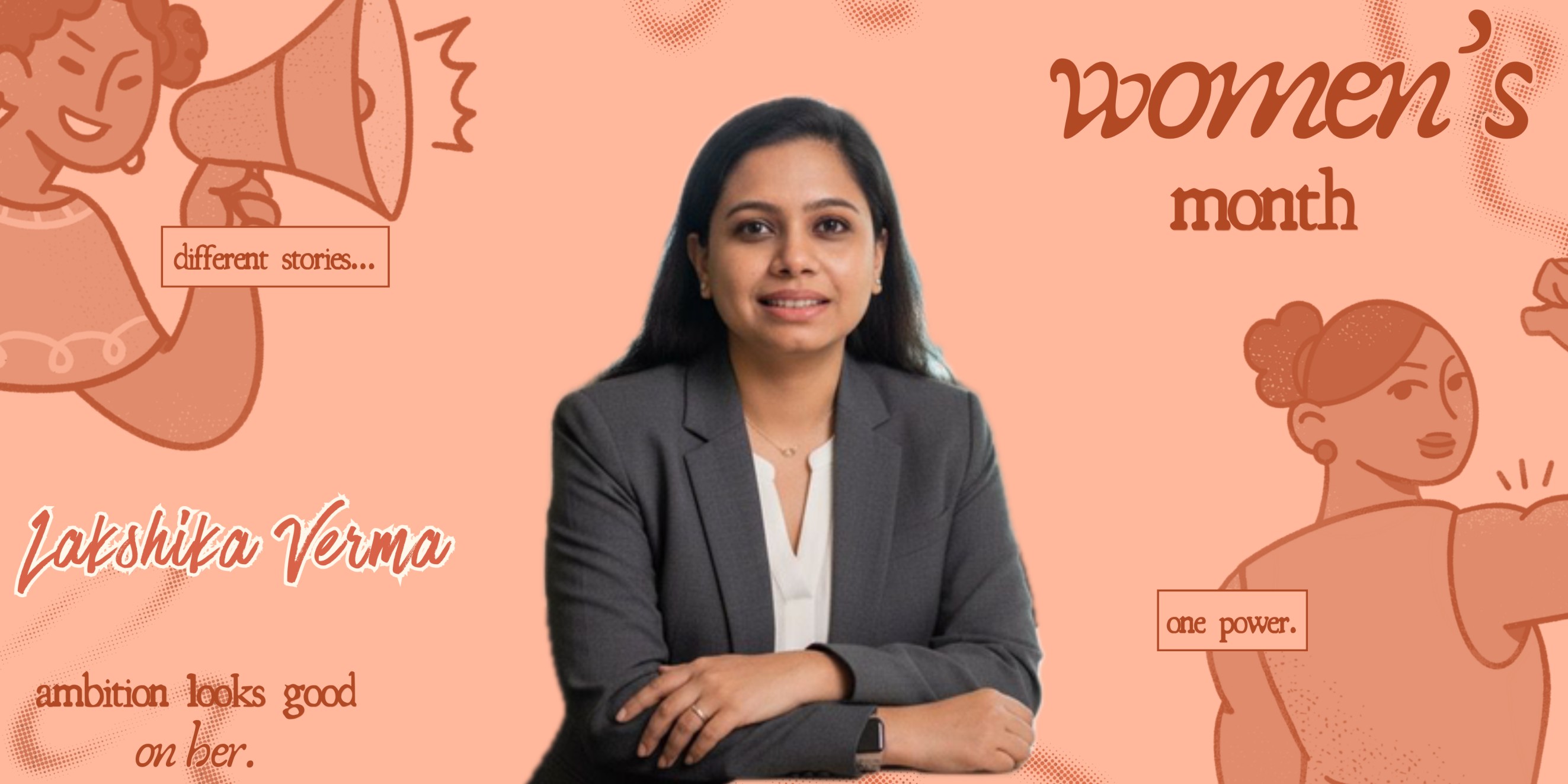
In a candid conversation with AdMirror, Lakshika Verma, Strategic Communications Advisor and Public Relations Consultant, unpacks the structural gaps that still shape women’s leadership journeys—from the persistent “prove it again” bias and the motherhood drop-off in leadership pipelines to the lack of sponsorship that keeps women away from revenue and risk-bearing roles.
She also argues that for organisations to move beyond performative diversity, DEI must shift from hiring optics to power redistribution—placing more women in roles where money, margins and growth bets are actually decided.
On representation versus real power
We’ve definitely made progress on visibility—more women in leadership titles, panels, and brand narratives—but power redistribution is still uneven. In many organisations, women are present in leadership rooms, yet the most consequential decisions around capital allocation, acquisitions, P&L ownership, and long-term strategy often remain concentrated with male leaders. Women leaders are frequently influential in people management and culture, but less so in financial risk-taking or investment calls. Until women are equally represented where money, margin, and growth bets are decided, representation will remain symbolic rather than structural.
On the “prove it again” bias
Yes, the bias is real and persistent. Women leaders are often evaluated on consistency and behaviour, while men are evaluated on potential. One misstep by a woman can outweigh years of strong performance, whereas men are more easily afforded second chances. This quietly distorts promotion pipelines—women are expected to be “ready now,” while men are promoted on “promise.” Over time, this compounds into fewer women in succession plans and fewer being groomed for stretch roles, despite comparable outcomes.
On the motherhood drop-off in leadership pipelines
This is less a policy failure and more a cultural and measurement failure. Policies exist on paper—flex work, parental leave, return-to-work programs—but leadership commitment is still measured through outdated proxies like visibility, constant availability, and linear career paths. Motherhood exposes how narrowly organisations define productivity and ambition. Until we reframe leadership around outcomes rather than hours logged or physical presence, this drop-off will persist regardless of policy intent.
On male allyship and access to revenue roles
Male allyship is widely discussed but rarely operationalised. Very few male leaders actively sponsor women into revenue-driving or P&L roles—the positions that lead to CEO and board opportunities. Women are still disproportionately channelled into support functions, which, while critical, don’t carry the same power or valuation. What needs to change is accountability: leaders must be measured on who they sponsor, not just who they mentor, and succession planning must deliberately rotate women through commercial and risk-bearing roles early in their careers.
On DEI as compliance versus transformation
In many organisations, DEI risks becoming a checkbox exercise—focused on hiring ratios rather than power structures. Diversity without inclusion at the decision-making level doesn’t move business outcomes. The shift happens when organisations explicitly link diversity to metrics like innovation velocity, customer relevance, market expansion, and risk management. Boards and executive committees must ask not just who is hired, but who decides. When diversity is treated as a growth lever rather than a moral obligation, it stops being performative and starts becoming transformative.


