











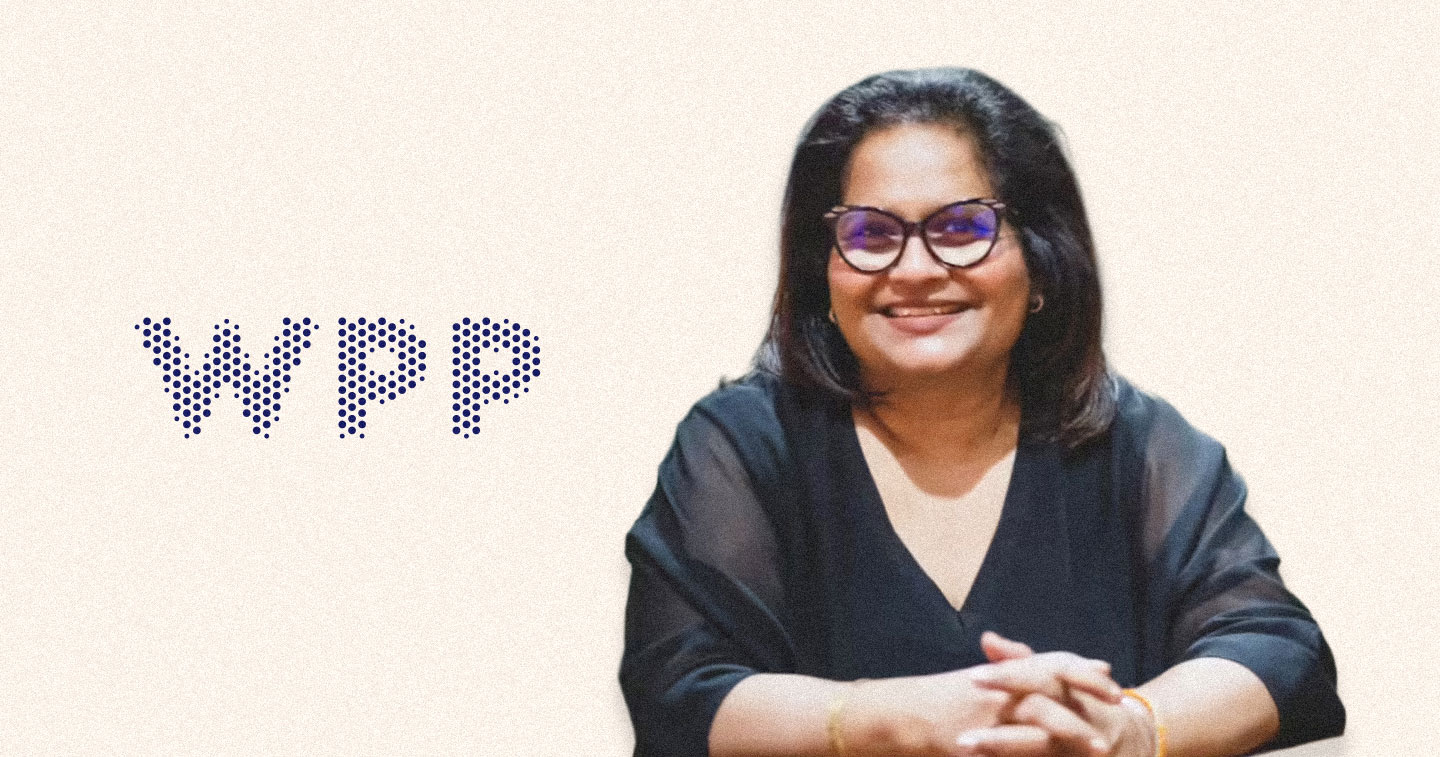
Mumbai: Hephzibah Pathak's elevation to CEO of WPP Creative India is not a routine leadership move. It is a decisive pivot in how one of the world's largest agency networks wants to organise creativity in India.
For years, agency ecosystems have operated on a delicate contradiction: celebrate individual agency identities, but sell integration. WPP is now choosing a side.
Pathak's role is less about running Ogilvy and more about aligning multiple creative businesses under a single strategic lens. In effect, WPP is attempting to do what clients have been demanding for years: collapse fragmentation without collapsing capability.
Let us admit the reality is blunt. Clients do not buy agencies anymore. They buy solutions that travel seamlessly across platforms, formats, and consumer journeys, and that requires control at the top.
Clients do not buy agencies anymore. They buy solutions that travel seamlessly across platforms, formats, and consumer journeys.
Kalpana Ravi, AdMirror
Pathak represents a different kind of creative leadership, one that is not built on individual auteurship but on institutional navigation. She understands legacy systems and modern expectations. She has managed scale, not just storytelling, and brings credibility without disruption theatrics. That combination matters in a role where the job is not to outshine agencies, but to make them work together without friction.
This is where the strategy gets complicated. Creative agencies thrive on distinct cultures, sharp points of view, and competitive energy. Integration, on the other hand, demands alignment, shared processes, and unified output. The risk is obvious: the more you integrate, the more you standardise. When standardisation creeps in, differentiation is often the first casualty.
Pathak's mandate will be judged on a single metric: can she build cohesion without creating conformity.
This move positions India as more than just a growth market. It becomes a proving ground for a new operating model. If it works, expect fewer silos between creative, tech, and experience, stronger central leadership across networks, and creative ideas designed for ecosystems rather than formats. If it does not, the industry will revert to what it knows best: independent power centres competing under one holding company roof.
Hephzibah Pathak's appointment is not about symbolism. It is about structure. WPP is acknowledging that the future of creativity is not just about big ideas. It is about how effectively those ideas move across a fragmented consumer landscape.
The question is no longer who has the best agency. The question is who can make multiple agencies behave like one without losing what makes them valuable. That is the experiment. And Pathak is at the centre of it.


